
Have you ever watched your cat press their paws into a blanket again and again right before a nap and wondered if something was wrong?
If you have, you are not alone. Many cat owners feel confused when they see this soft, repeated pushing motion on blankets, beds, pillows, or even on their lap. You might ask yourself, why do cats knead blankets before sleeping and whether it means comfort, stress, or a behavior problem you need to stop.
The good news is that kneading is usually normal. In most cases, it is a comforting behavior that starts when cats are tiny kittens. Still, if your cat kneads too much, uses claws, sucks on fabric, or seems upset, you may want to understand what is causing it and how to help.
This guide will help you understand why your cat kneads blankets before sleeping, when it is harmless, when it may be a sign of stress, and what you can do to make bedtime more peaceful for both of you.
Why do cats knead blankets before sleeping?
The short answer is this: your cat usually kneads blankets before sleeping because it helps them feel safe, calm, and ready to rest.
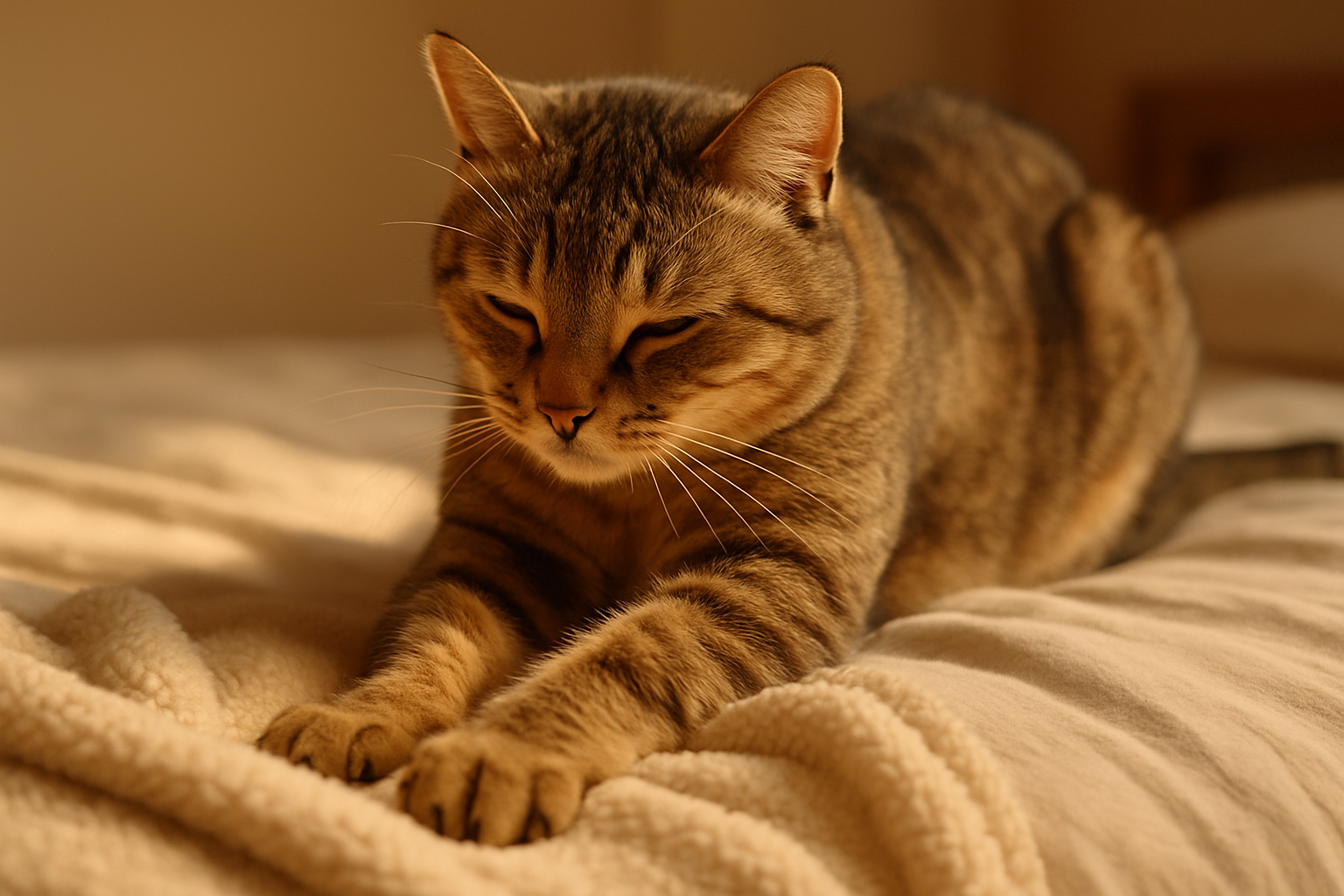
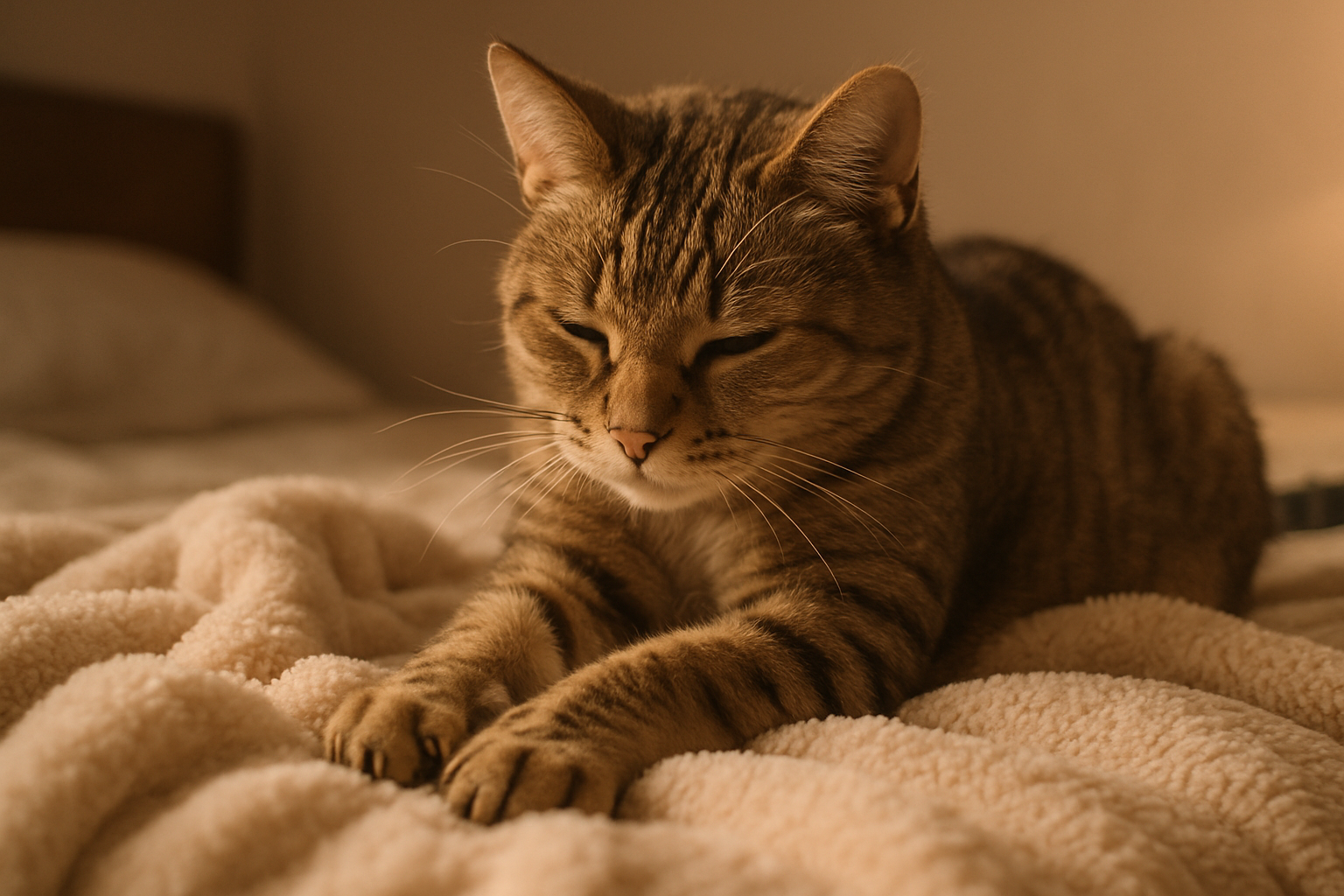
Kneading is the rhythmic pushing of the front paws, one after the other, into a soft surface. Some cats purr while doing it. Some close their eyes. Some drool a little. Many cats look deeply relaxed.
This behavior often connects to kittenhood. When kittens nurse from their mother, they knead around the milk area to help milk flow. That early action becomes linked with warmth, food, safety, and comfort. As adult cats, they may keep doing it when they feel sleepy and content.
So if your cat kneads a blanket before sleeping, they may be telling you, in their own quiet way, “I feel safe here.”
Is kneading normal cat behavior?
Yes, kneading is very normal for many cats.
Some cats knead every day. Some only do it on certain blankets. Some never do it at all. Just like people have different bedtime habits, cats do too.
Kneading by itself is usually not a behavior problem. It becomes something to watch only if:
- Your cat seems anxious or upset while kneading
- They damage fabric a lot with their claws
- They suck or chew on blankets in a strong, repeated way
- They cannot settle down without doing it for a long time
- The behavior suddenly starts or suddenly gets much stronger
In most homes, though, blanket kneading is simply a sign of comfort.
The most common reasons your cat kneads blankets
There is not just one reason. Your cat may knead for several reasons at the same time.
1. Your cat is showing comfort and security
This is the biggest reason. Soft blankets feel warm and cozy, a lot like a safe nest. When your cat kneads before sleeping, they may be relaxing their body and mind.
If your cat looks calm, purrs, half closes their eyes, or circles first and then kneads, they are likely settling in for rest.
2. Your cat remembers kittenhood
Kittens knead their mother while nursing. That action becomes deeply connected to comfort and care. Adult cats often keep that memory in their body, even if they do not remember it in the way humans remember things.
This is why many cats knead the softest blanket in the house. That texture may trigger the same safe feeling.
3. Your cat is making a sleeping spot
Before sleeping, cats often turn, sniff, scratch, and knead. This can be part of preparing a resting area. In the wild, cats and other animals may flatten grass or soft material to create a comfortable place to lie down.
Your house cat still has some of those instincts. Kneading may be their way of “fixing” the bed before sleep.
4. Your cat is marking with scent
Cats have scent glands in their paws. When your cat kneads a blanket, they may leave behind a scent that says, “This spot is mine. It is safe. It smells like me.”
This helps your cat feel secure. If your cat always kneads the same blanket or your favorite hoodie, scent may be one reason.
5. Your cat is stretching muscles
Kneading can feel good physically. It gently stretches the paws, legs, and shoulders. Right before sleep, this small movement may help your cat relax their body.
Think of it like a calm bedtime stretch.
6. Your cat may be self soothing during stress
Sometimes kneading is not only about comfort. It can also be a coping habit. If your cat feels nervous, changes in the home may lead to more kneading.
Common stress causes include:
- A new pet
- A new baby
- Moving house
- Loud visitors
- Changes in routine
- Less attention than usual
In this case, kneading may help your cat calm themselves.
Why some cats knead more than others
Not every cat kneads the same amount. Some breed lines and personalities may be more likely to show strong comfort behaviors. Cats who were separated from their mother too early may also knead or suck on blankets more often.
Here are a few possible reasons one cat kneads more than another:
| Reason | What it can mean |
|---|---|
| Personality | Some cats are naturally more affectionate or ritual focused |
| Early weaning | Cats separated early may keep stronger kitten comfort habits |
| Soft texture preference | Certain blankets trigger kneading more than others |
| Stress level | Anxious cats may knead more as self soothing |
| Breed tendency | Some cats seem more likely to show comfort nursing behaviors |
This does not mean something is wrong. It just means your cat has their own way of feeling secure.
When kneading can become a problem
Most of the time, kneading is harmless. But there are a few situations where you may need to help your cat or change the routine.
Claws are hurting you or damaging blankets
If your cat kneads your legs, chest, or stomach with sharp claws, it can hurt. Some cats get so relaxed that they forget how much pressure they are using.
If your cat tears blankets, bedding, or furniture, the habit may become frustrating fast.
Your cat sucks or chews fabric
Some cats knead and then suck on blankets, sweaters, or pillows. This behavior can come from comfort seeking, especially in cats weaned early. But if your cat chews and swallows fabric, that can be dangerous.
Eating fabric can cause a blockage and may require emergency vet care.
The kneading seems linked to anxiety
If your cat kneads in a frantic way, cries, hides, overgrooms, stops eating, or acts clingy, the kneading may be part of a stress problem rather than simple bedtime comfort.
The behavior starts suddenly
If your cat never used to knead and then starts doing it a lot, especially with other behavior changes, it is smart to pay attention. Sometimes pain, stress, or confusion can change habits.
How to help if your cat kneads too much
You usually do not need to stop kneading completely. Instead, your goal is to make it safe, gentle, and less stressful.
Give your cat a special kneading blanket
Choose one thick, soft blanket just for your cat. Place it in their sleeping area, on the sofa, or wherever they usually knead.
This gives them a good place to do the behavior without ruining your favorite things.
Good blanket choices include:
- Soft fleece
- Thick plush fabric
- Washable pet blankets
- Materials without loose strings
Try to avoid blankets with decorations your cat could chew off.
Keep claws trimmed
If kneading hurts or damages fabric, regular nail trims can help a lot. You do not need to make the claws blunt, just shorter and safer.
If trimming feels scary, ask your vet or groomer to show you how. You can also use scratching posts to help keep nails in better shape.
Put a barrier on your lap
If your cat kneads you before sleeping, place a folded blanket, cushion, or thick towel on your lap first. Your cat still gets the comfort, and your skin gets protection.
This is one of the easiest fixes.
Do not punish your cat
Punishing kneading usually backfires. Your cat is not being naughty. They are doing something instinctive and soothing. Yelling, pushing them away roughly, or spraying water can create fear and stress.
A stressed cat may knead more, not less.
Instead, gently redirect them to their special blanket.
Watch for signs of stress
If kneading seems stronger during stressful times, focus on reducing anxiety in the home.
You can help by:
- Keeping feeding times regular
- Giving your cat quiet resting spots
- Using hiding places or cat trees
- Playing daily with wand toys
- Keeping loud noise low
- Giving one on one affection if your cat likes it
Routine matters a lot to cats. A calm home often leads to calmer bedtime habits.
Redirect fabric chewing early
If your cat sucks or chews blankets, do not let it become a strong habit. Offer safer comfort options like:
- A soft pet blanket
- More interactive play
- Food puzzles
- Extra attention before bedtime
- A calming bedtime routine
If your cat swallows fabric, contact your vet right away.
How to tell if kneading is comfort or stress
This is important because many worried owners cannot tell the difference.
Signs kneading is normal comfort behavior
- Purring
- Relaxed body
- Slow blinking
- Settling down to sleep after
- Kneading on soft surfaces only
- No other unusual behaviors
Signs kneading may be linked to stress
- Restlessness
- Crying or vocalizing
- Hiding more often
- Loss of appetite
- Overgrooming
- Aggression
- Clinginess or unusual fearfulness
- Fabric chewing or swallowing
Here is a simple comparison:
| Comfort kneading | Stress related kneading |
|---|---|
| Calm body | Tense body |
| Purring softly | Crying or agitated sounds |
| Stops and sleeps | Keeps going and cannot settle |
| Normal daily behavior | Other changes in mood or routine |
| No damage beyond small claw marks | Strong chewing, sucking, or frantic behavior |
Does kneading mean your cat loves you?
Sometimes, yes. If your cat kneads on you, it can be a strong sign of trust and attachment.
Your warmth, smell, and softness may make your cat feel safe. They may connect you with comfort and rest. That is a sweet thing, even if the claws are not so sweet.
Still, kneading does not always mean love in a human way. It usually means your cat feels secure, soothed, and at ease in that moment.
Should you stop your cat from kneading?
Usually, no.
If your cat is kneading in a normal way and not hurting anyone, it is best to let them do it. This is a natural cat behavior, and stopping it completely is not necessary.
You should step in only if:
- Your cat is hurting you
- Your cat is destroying fabric
- Your cat is swallowing material
- The behavior seems anxious or obsessive
- There are other worrying behavior changes
In those cases, redirect, protect surfaces, reduce stress, and talk to your vet if needed.
When you should call the vet
Blanket kneading alone is rarely a medical emergency. But contact your vet if:
- Your cat starts chewing or eating fabric
- Kneading suddenly increases a lot
- Your cat seems anxious, confused, or in pain
- There are changes in appetite, litter box habits, or sleep
- Your cat overgrooms or develops bald spots
- The behavior becomes hard to interrupt and seems compulsive
A vet can rule out health problems and help you decide whether the behavior is normal, stress based, or part of a larger issue.
Simple bedtime tips for a calm, happy cat
If your main goal is a calm, well behaved cat at night, these small steps can help.
Make bedtime predictable
Cats like routine. Try feeding, play, and quiet time at about the same times each evening.
Use play before sleep
A short play session with a wand toy can help your cat burn energy. After that, a meal or treat can support the natural rest cycle.
Create a cozy sleep space
Give your cat a soft sleeping area with a favorite blanket. If they like kneading, this becomes their safe comfort spot.
Reward calm behavior
If your cat settles nicely on their blanket, give gentle praise, petting, or a treat if that fits their routine. This helps build peaceful habits.
FAQ
1. Why do cats knead blankets before sleeping?
Cats usually knead blankets before sleeping because it makes them feel safe and relaxed. It often comes from kittenhood, when kneading was linked to warmth, milk, and comfort.
2. Is kneading a sign that your cat is happy?
Often, yes. A cat that kneads while purring and relaxing is usually content. It is commonly a sign of comfort and security.
3. Why does your cat knead and purr at the same time?
Purring and kneading often happen together because both can show calm, trust, and self soothing. Your cat may be settling down in a very peaceful state.
4. Should you let your cat knead blankets?
Yes, in most cases. Kneading is a normal behavior. You only need to step in if your cat is damaging things, hurting you with claws, or chewing and swallowing fabric.
5. Why does your cat knead on you instead of the blanket?
Your cat may knead on you because you are warm, soft, and familiar. Your scent may help them feel extra safe before sleep.
6. Do all cats knead blankets?
No. Some cats knead often, some only a little, and some never do it. This can depend on personality, early life experience, and preference.
7. Is kneading a sign of stress?
Sometimes. If kneading comes with hiding, crying, overgrooming, or fabric chewing, stress may be involved. If your cat looks calm and then falls asleep, it is usually normal comfort behavior.
8. Why does your cat knead and suck on blankets?
This can be a strong comfort behavior, often seen in cats separated from their mother early. If your cat only sucks lightly, it may not be serious. If they chew or swallow fabric, call your vet.
9. How do you stop your cat from kneading your lap?
You can place a thick blanket or pillow on your lap before your cat settles down. Keep their claws trimmed and gently redirect them to a soft blanket nearby if needed.
10. When should you worry about kneading behavior?
You should worry if the behavior starts suddenly, becomes intense, includes chewing or eating fabric, or comes with other changes like hiding, appetite loss, or aggression.
Conclusion
So, why do cats knead blankets before sleeping? In most cases, your cat is doing it because it feels comforting, familiar, and safe. It is often a leftover kitten behavior mixed with natural instincts to settle a sleeping spot, stretch the body, and leave a comforting scent behind.
If your cat kneads gently and then curls up for sleep, you are probably seeing a normal and healthy bedtime habit. If the claws hurt, the blankets get damaged, or the behavior seems tied to anxiety, you can help with soft bedding, trimmed nails, a steady routine, and gentle redirection.
You do not need to feel confused or worried every time you see this behavior. Once you understand what your cat is trying to say, it becomes much easier to respond with calm and confidence. In many homes, a kneading cat is simply a cat that feels safe enough to rest.