
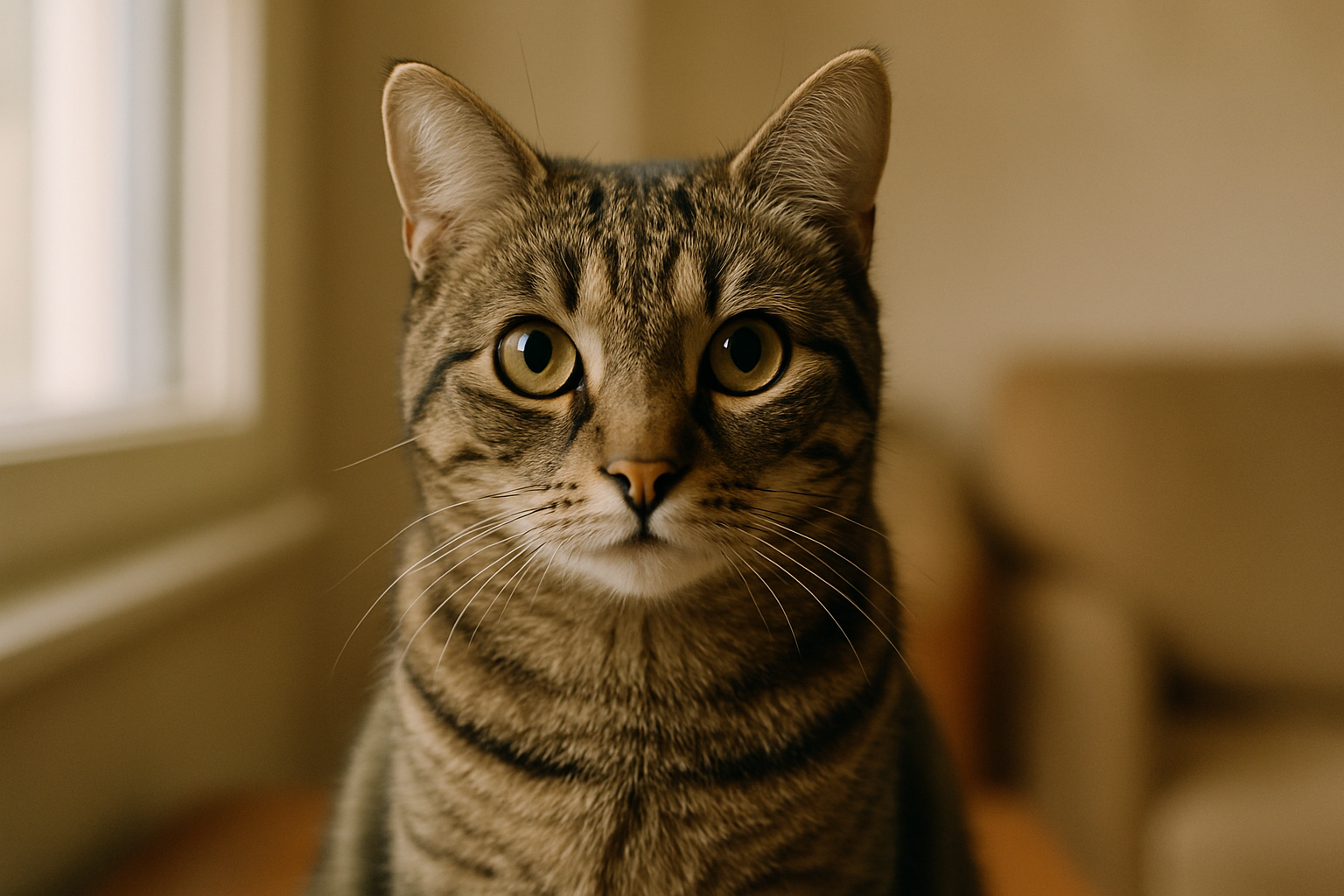
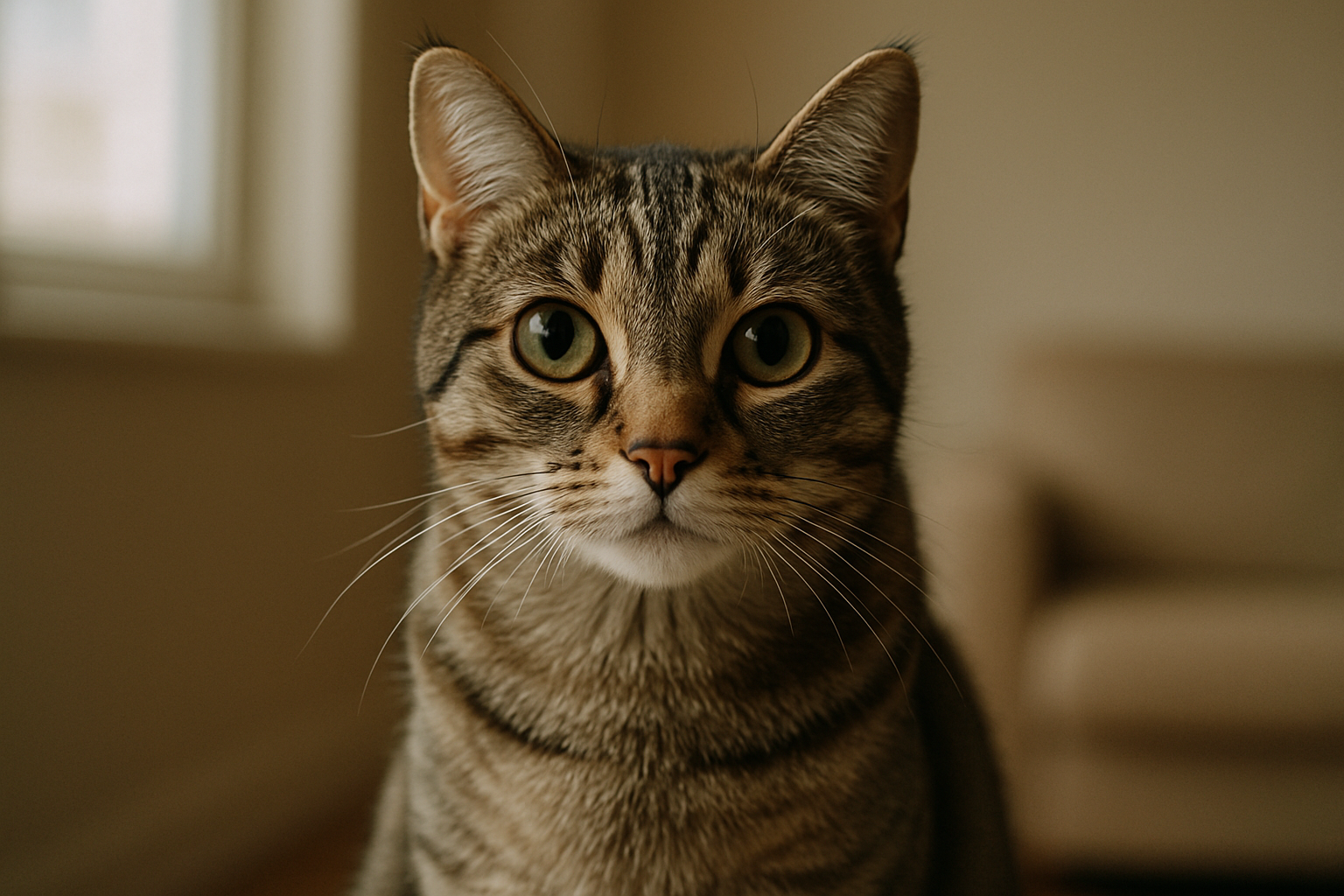
Have you ever looked up and caught your cat staring at you without blinking, and felt a little uneasy?
If you have, you are not alone. Many cat owners worry when this happens. You might wonder, Why does my cat stare at me without blinking? Is your cat angry? Sick? Planning to pounce? Or is this just one of those strange cat habits that make no sense?
The good news is that in most cases, this behavior is normal. Cats use their eyes to communicate a lot. A long, steady stare can mean many different things depending on your cat’s body language, mood, and the situation. Sometimes your cat wants food. Sometimes your cat feels curious. Sometimes your cat is showing trust. And yes, sometimes your cat may be stressed or trying to tell you something is wrong.
If you feel confused or worried about your cat’s behavior, this guide will help you understand what is going on and what you should do next.
Why does my cat stare at me without blinking?
When your cat stares at you without blinking, your cat is usually trying to communicate. Cats do not use words, so they rely on body language, eye contact, tail movement, ear position, and sounds.
A cat’s stare can mean different things, such as:
- Your cat wants something
- Your cat is watching you closely
- Your cat feels safe with you
- Your cat is curious
- Your cat feels tense or defensive
- Your cat may not feel well
The meaning depends on the full picture, not just the eyes alone.
The most common reasons your cat stares at you
Your cat is not staring for no reason. There is usually a cause, even if it is simple.
Your cat wants food
This is one of the most common reasons. Your cat may have learned that staring at you gets results. If you feed your cat after that stare, your cat will keep doing it.
You may notice this stare:
- Early in the morning
- Near feeding time
- When you are eating
- When you walk into the kitchen
Cats are smart. If staring works, they repeat it.
Your cat wants attention
Your cat may stare because your cat wants you to pet them, play with them, or simply notice them. Some cats are quiet and use eye contact instead of meowing.
If your cat follows you, sits near you, and stares, your cat may be asking for connection.
Your cat is curious about what you are doing
Cats are very observant. They watch your hands, your face, and your habits. If you are folding clothes, opening a can, using your phone, or sitting in a different spot, your cat may stare because your cat wants to understand what is happening.
To your cat, you are a very interesting creature.
Your cat feels relaxed and bonded with you
A calm stare can actually be a sweet sign. If your cat looks at you softly with a relaxed body, this may mean your cat trusts you.
Cats often save their most relaxed behavior for people they love and feel safe around.
Your cat is on alert
Sometimes the stare is not soft. It may be intense and still. If your cat’s body is stiff, ears are turned sideways or back, and the tail is twitching, your cat may feel stressed, annoyed, or ready to react.
This is more likely if:
- You are too close
- Another pet is nearby
- Your cat is startled
- Your cat feels cornered
- Your cat is guarding space or resources
Your cat may not feel well
A cat that is in pain or discomfort may stare more than usual. Sick cats can act strange in quiet ways. Instead of crying out, they may become still, withdrawn, or unusually focused.
If the staring comes with other changes, it is worth paying attention.
Is staring without blinking a sign of love?
Sometimes, yes.
Cats have a special way of showing trust with their eyes. You may have heard of the “slow blink.” This is when your cat looks at you and slowly closes and opens their eyes. It is often a sign that your cat feels calm and safe.
A hard stare without blinking is different from a slow blink. Still, if your cat’s body is loose and peaceful, the stare may simply mean your cat is comfortable around you.
Look for these signs of a relaxed, loving stare:
- Ears in a natural forward position
- Body stretched out or resting
- Tail still and calm
- No puffed fur
- No crouching
- Soft face and whiskers
If you see these signs, your cat is probably not upset.
When a cat’s stare can mean stress or tension
This is the part that worries many owners. Sometimes a long stare is not friendly. In cat language, direct eye contact can be intense. In some situations, it can feel like a challenge.
Your cat may be tense if the stare comes with:
- A stiff body
- Flattened ears
- A lashing tail
- Wide pupils
- Growling or silence with frozen posture
- Hiding, then staring
- Swatting after staring
This often happens when your cat feels threatened, overstimulated, or trapped.
Common triggers for a tense stare
Your cat may stare this way because of something in the environment.
Another pet is causing stress
If there is another cat or dog in the house, your cat may feel the need to stay alert. Even if the other pet is not doing anything, your cat may still feel uneasy.
Too much petting
Some cats enjoy petting only for a short time. If you keep going, your cat may stare before swatting or biting. This is often called petting overstimulation.
Loud sounds or changes at home
Cats like routine. New furniture, guests, a move, a baby, or loud noises can make your cat act differently.
Feeling cornered
If your cat cannot leave easily, a stare may be your cat’s way of saying, “I need space.”
How to tell what your cat’s stare means
You can understand your cat better by looking at the whole body, not just the face.
| What you see | What it may mean |
|---|---|
| Relaxed body, soft eyes, sitting near you | Trust, comfort, attention seeking |
| Staring near mealtime | Hunger, learned routine |
| Stiff body, twitching tail, wide eyes | Stress, irritation, alertness |
| Staring while hiding | Fear, caution, insecurity |
| Staring with slow blinks | Affection, calm, trust |
| Staring at night or at walls | Hearing something, seeing movement, curiosity |
This is why context matters so much. The same stare can mean very different things in different moments.
What you should do when your cat stares at you
The best response depends on how your cat looks and feels.
Stay calm
Do not panic. In most cases, your cat is not being aggressive. Your cat is simply communicating in a way that feels natural to cats.
Look at your cat’s body language
Ask yourself:
- Is your cat relaxed or stiff?
- Are the ears forward or flat?
- Is the tail calm or flicking?
- Is this happening at feeding time?
- Did something in the house change?
These clues help you understand the reason.
Try a slow blink
If your cat seems calm, look gently at your cat and slowly blink. This can tell your cat that you are friendly and relaxed.
Many cats blink back. It is a quiet little moment of trust.
Give your cat what is being asked for if it makes sense
If your cat is staring because the food bowl is empty, the answer is simple. If your cat wants playtime, a short toy session may help. If your cat wants to sit near you, allow that closeness.
You do not need to answer every stare with treats though. That can create demanding habits.
Give space if your cat seems tense
If your cat looks stiff, upset, or overstimulated, back off. Do not force eye contact, petting, or handling. Let your cat move away and calm down.
This is especially important with kittens and sensitive cats. Pushing past their warning signs can lead to scratching or biting.
How to reduce stressful staring behavior
If your cat’s staring feels intense or happens with other behavior problems, you can make home life feel safer and calmer.
Keep a steady routine
Cats feel better when life is predictable. Try to keep feeding, play, and bedtime on a regular schedule.
Routine helps lower stress and reduces confusing behavior.
Give your cat enough play
A bored cat can become fixated on you. Daily play helps release energy and keeps your cat mentally busy.
Try:
- Wand toys
- Small balls
- Puzzle feeders
- Short play sessions two or three times a day
This is especially helpful for kittens and young cats.
Create safe resting spots
Your cat needs places to rest without being bothered. A cat tree, shelf, window perch, or quiet bed can help your cat feel secure.
Cats often stare more when they feel they must stay alert all the time.
Avoid punishing the behavior
Do not yell, spray water, or scare your cat for staring. Your cat is not being bad. Punishment can make fear worse and damage trust.
Watch for patterns
Notice when the staring happens most often. Write it down if needed.
For example:
- Before meals
- During petting
- Around another pet
- At night
- When strangers visit
Patterns help you find the real reason.
When staring can be a medical concern
Most staring is normal, but sometimes it can point to a health issue. You should pay extra attention if the behavior is new, frequent, or paired with other changes.
Signs you should not ignore
Contact your vet if your cat is staring and also has:
- Loss of appetite
- Hiding more than usual
- Sudden aggression
- Weight loss
- Vomiting
- Low energy
- Trouble walking
- Confusion
- Very large pupils
- Vision problems
Older cats may stare because of cognitive changes, poor vision, or high blood pressure. Some cats may also stare if they are hearing or seeing things differently than before.
If your cat seems “not like themselves,” trust your gut.
How kittens and adult cats may be different
Kittens often stare because they are learning. Everything is new. They watch you constantly because you are part of their world and routine.
Adult cats may stare for more settled reasons, like habit, attention, hunger, or emotional signals.
Senior cats may stare due to confusion, changes in hearing or sight, or age related stress.
So if you are asking, why does my cat stare at me without blinking, your cat’s age matters too.
FAQ
1. Why does my cat stare at me without blinking at night?
Your cat may be more active at night and more focused on your movements. Your cat may also want food, play, or attention. Sometimes cats hear tiny sounds at night and become very alert.
2. Is it bad to stare back at your cat?
It depends. A soft look and slow blink are usually fine. A hard, direct stare can feel threatening to some cats, especially nervous ones.
3. Why does your cat stare at you while you sleep?
Your cat may be waiting for you to wake up, especially if you usually feed your cat in the morning. Your cat may also just be curious or enjoying being near you.
4. Does a cat staring mean your cat is angry?
Not always. Staring can mean many things. You need to check body language to know if your cat is calm, curious, or upset.
5. Why does your cat stare and then attack your hand?
This can happen when your cat is overstimulated or in play mode. It can also happen if your cat feels annoyed during petting. Watch for warning signs like tail flicking and stiff posture.
6. Why does your cat stare at the wall?
Your cat may hear insects, pipes, or tiny movements you do not notice. Cats have strong senses, so they often focus on things that seem invisible to you.
7. Can staring be a sign of affection?
Yes, sometimes. If your cat looks relaxed and gives slow blinks, the stare may be a loving sign of trust and comfort.
8. Should you worry if your cat suddenly starts staring more?
Maybe. If this is a new behavior and it comes with other changes like hiding, confusion, or appetite loss, you should call your vet.
9. Why does your kitten stare at you all the time?
Kittens are learning from everything around them. Your kitten may be curious, attached to you, hungry, or waiting for playtime.
10. How can you tell if your cat wants space?
Look for flattened ears, twitching tail, tense body, crouching, or moving away. If you see these signs, give your cat time alone.
Final thoughts
If you keep asking yourself, why does my cat stare at me without blinking, the answer is usually simpler than it feels in the moment. Your cat is trying to tell you something. It may be hunger, curiosity, trust, stress, or discomfort.
The key is to look at the whole cat, not just the eyes.
When you pay attention to body language, daily routine, and changes in behavior, you understand your cat much better. That means less stress for you and a calmer, happier life for your cat.
If the stare seems relaxed, it is often nothing to fear. Try a soft blink and enjoy the quiet connection. If the stare feels intense or comes with other strange symptoms, do not ignore it. A quick chat with your vet can give you peace of mind.
You know your cat better than anyone. If something feels off, trust that feeling. Small changes often matter, and noticing them early is one of the best ways to care for your cat.