
Have you ever called your kitten’s name and watched your tiny fluff ball stare at you, blink slowly, and then walk the other way?
If that sounds familiar, you are not doing anything wrong. Many first time kitten owners worry that their kitten is ignoring them on purpose, being stubborn, or already learning bad habits. The good news is that kittens can learn to come when called, and you can teach this in a kind, simple way.
Learning how to train a kitten to come when called is one of the most useful things you can do early on. It can help keep your kitten safe, make daily life easier, and build trust between you and your pet. It can also help when your kitten is hiding, getting into trouble, or heading toward something unsafe.
If you are feeling confused, stressed, or tired because your kitten cries at night, bites your hands, scratches the couch, or ignores you when you call, you are not alone. A lot of new kitten owners feel this way. You want a calm, happy, well behaved kitten, but right now it may feel messy and uncertain. That is normal.
This guide will show you a clear, step by step way to teach your kitten to come when called. You will learn why kittens act the way they do, what mistakes to avoid, and how to make training work in real life.
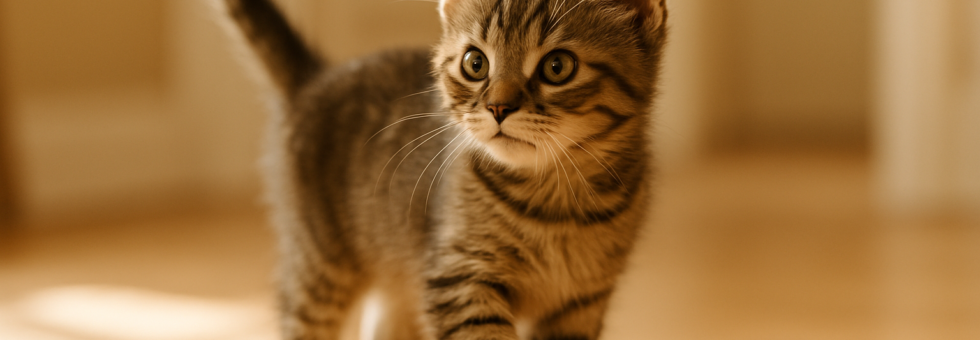
Why teaching your kitten to come matters
When your kitten learns to come to you, life gets easier in many small but important ways.
You can call your kitten away from danger, such as cords, stairs, open doors, or things they should not chew. You can find them more easily when they hide under furniture. You can also make playtime, feeding time, and bedtime smoother.
This skill is not just about obedience. It is about trust, safety, and communication. Your kitten starts learning that coming to you means something good happens.
That is why recall training is one of the best early lessons for a young cat.
Can kittens really learn to come when called?
Yes, they can.
Kittens may not act like dogs, and that is where many owners get confused. Cats learn well, but they usually need a different style of training. Your kitten is more likely to respond when they feel safe, curious, and rewarded.
A kitten does not think, “I must obey.” A kitten thinks, “What happens for me if I go there?”
That means your job is to make coming to you feel rewarding every single time, especially in the beginning.
Why your kitten may ignore you
Before you start training, it helps to understand why your kitten is not coming now.
Your kitten does not know what your call means yet
If you call your kitten and they do nothing, that may simply mean the sound has no meaning to them. They are not being bad. They just have not learned the connection.
The reward is not exciting enough
If your kitten is busy watching a moving shadow, climbing a chair, or chasing a toy, your voice may not seem more interesting than that. You need to offer something better.
Your kitten may feel scared or unsure
A new home can feel huge and strange. If your kitten is still settling in, they may hide more, freeze up, or stay away. In that case, trust comes before training speed.
You may have called them for things they dislike
If your kitten only hears their name before nail trims, medicine, baths, or being picked up against their will, they may learn that coming to you is not fun.
This is very common, and it can be fixed.
Best age to start recall training
You can start as soon as your kitten is settling into your home and feeling safe enough to eat, play, and move around with some confidence.
Young kittens often learn quickly because they are curious and still forming habits. But older kittens can learn too. There is no need to panic if you did not start on day one.
Short, kind, repeated practice matters much more than starting at the perfect age.
What you need before you begin
You do not need fancy tools. Keep it simple.
Helpful things to have
| Item | Why it helps |
|---|---|
| Small soft treats | Gives your kitten a clear reward |
| A happy cue word or kitten’s name | Becomes the signal to come |
| A quiet room | Helps your kitten focus |
| A toy your kitten loves | Useful if food is less exciting |
| Patience | This is your most important tool |
Choose treats that are tiny and easy to eat fast. You want your kitten to get the reward quickly so they connect it with coming to you.
Pick one recall cue and stick with it
A recall cue is the word or sound you use to call your kitten.
You can use:
- Your kitten’s name
- “Come”
- “Here”
- A clicking sound with your tongue
- A short cheerful phrase like “Kitty, come”
Pick one and use it the same way each time.
Try to keep your tone light and warm. Kittens respond better to happy, gentle sounds than loud or harsh voices.
How to train a kitten to come when called step by step
This is the heart of the process. Keep sessions short, easy, and positive.
Step 1: Start in a quiet small room
Begin in a room with very few distractions. This could be a bedroom or calm living room corner.
Stand or sit a short distance from your kitten. Make sure they are awake, relaxed, and not deeply focused on something else.
Say your recall cue once in a cheerful voice.
The moment your kitten comes toward you, even just a couple of steps, reward them right away with a treat, praise, or a quick play burst.
At first, you are rewarding any movement toward you.
Step 2: Reward fast and make it feel special
Timing matters a lot.
Your kitten should get the reward as soon as they reach you. If you wait too long, they may not understand what earned the treat.
You can say something simple like:
- “Good job”
- “Yes”
- “Good kitten”
Then give the treat.
Your kitten will start to think, “When I hear that sound and go to you, good things happen.”
Step 3: Practice very short sessions
Do not train for a long time.
A good session may only last 2 to 5 minutes. You can do a few little sessions during the day instead of one big session.
That works better because kittens have short attention spans. If training feels fun and easy, your kitten is more likely to stay interested.
Step 4: Slowly increase distance
Once your kitten is coming from a short distance, take one or two steps farther away.
Call them again using the same cue. Reward them when they come.
You are building the skill in tiny levels. Small wins lead to strong habits.
Step 5: Practice from different spots
Now try calling your kitten:
- From across the room
- From the doorway
- From behind a chair
- While sitting on the floor
- While standing in the kitchen nearby
This teaches your kitten that the cue means the same thing in many places, not just one training spot.
Step 6: Add gentle distractions
When your kitten is doing well in quiet places, slowly make things a little harder.
Try calling when:
- A toy is nearby
- Another person is in the room
- You are in a different part of the house
- Mild household sounds are happening
Do not jump to big distractions too fast. If your kitten struggles, go back to an easier level for a while.
Step 7: Use real life rewards too
Treats are great, but you can also reward with things your kitten loves, such as:
- Tossing a toy
- Petting if they enjoy touch
- Opening a door to a favorite safe room
- Giving dinner
- Starting playtime
This helps your kitten learn that coming to you brings all kinds of good things.
A simple daily kitten recall plan
If you want an easy routine, this can help.
| Time | What to do |
|---|---|
| Morning | Call your kitten once or twice before breakfast and reward |
| Midday | Do a 2 to 3 minute training session in a quiet room |
| Evening | Practice recall during playtime |
| Night | Call your kitten before a meal or cuddle time |
This gives you several natural chances to practice without making training feel like a big job.
Best rewards for kitten training
Not every kitten loves the same thing, so you may need to test what works best.
Food rewards
These are often the easiest.
Good choices include:
- Tiny kitten treats
- Small bits of cooked plain chicken
- Soft lickable cat treats
- Wet food on a spoon or finger
Make sure rewards are small. You want many chances to practice without overfeeding.
Play rewards
Some kittens care more about play than food.
You can reward with:
- A feather wand
- A ball roll
- A quick chase toy
- A crinkly toy
If your kitten lights up when the toy appears, use that energy in training.
Social rewards
Some kittens love praise, petting, or sitting near you. These can be part of the reward, but they usually work best after your kitten already understands the game.
Mistakes that can slow down training
Many kitten owners make these mistakes without meaning to. If training is not working, this may be why.
Calling your kitten when you cannot reward them
If you call your kitten and then do nothing when they come, the cue starts to lose value.
Try to reward almost every successful response in the early stages.
Repeating the cue over and over
If you say, “Milo come, Milo come, Milo come, come, come,” your kitten may learn that the first call does not matter.
Say the cue once in a clear cheerful voice. If your kitten does not respond, wait and try again later in an easier setup.
Calling your kitten for unpleasant things
If coming to you always leads to something your kitten hates, recall will weaken.
Sometimes you do need to trim nails or put your kitten in a carrier. That is real life. But make sure many more recalls lead to treats, play, and comfort.
Punishing your kitten for not coming
Never scold, chase, or grab your kitten angrily.
This can make your kitten afraid of you or afraid of the recall cue. Training should build trust, not tension.
Training when your kitten is too tired, too wild, or too stressed
Pick better moments.
A kitten who is half asleep, zooming wildly, or hiding from noise is not in the best state to learn.
How long does it take to teach a kitten to come?
Some kittens start to understand in a few days. For others, it may take a few weeks of regular practice.
This depends on:
- Your kitten’s age
- Confidence level
- Motivation
- Home distractions
- How consistent you are
Progress is not always a straight line. One day your kitten may come perfectly. The next day they may ignore you because a dust speck is more exciting.
That is normal.
How to use meal times for faster results
Food routines are powerful because kittens usually pay attention when meals are involved.
Before putting down your kitten’s meal, say the recall cue once. When your kitten comes, place the food down.
Do this often, and your kitten starts linking the cue with something valuable.
Just make sure you still practice recall at other times too. You do not want your kitten to think the cue only matters when food appears.
What to do if your kitten is hiding
A hiding kitten needs a gentle approach.
Do not force training if your kitten is scared. First help them feel safe. Sit nearby quietly, offer treats, speak softly, and let them come out at their own pace.
Once your kitten is more relaxed, you can begin recall training from very short distances.
If your kitten hides a lot, think about what may be causing stress:
- Loud sounds
- Too many people
- Other pets
- Lack of safe hiding spots
- Big changes in routine
Training works much better when your kitten feels secure.
How to train a playful or distracted kitten
Some kittens are not shy at all. They are busy, bouncy, and interested in everything except your voice.
For these kittens:
- Train before full playtime, not during the wildest zoomies
- Use very tasty rewards
- Keep sessions extra short
- Make your voice upbeat
- Try moving away a little as you call
Sometimes motion helps. If you crouch down and move a step back, your kitten may be more likely to follow.
Should you use your kitten’s name or a special word?
You can use either one.
Using your kitten’s name is common and practical. But if you say their name all day for many reasons, it may lose some power as a recall cue.
A special recall word like “come” or “here” can be clearer.
Some owners use both together, like “Luna, come.” That can work well if you say it the same way each time.
How recall training helps with other kitten problems
Teaching your kitten to come can improve more than just recall.
It gives your kitten a better choice
If your kitten is scratching the couch, chewing a plant, or trying to bite your ankles, calling them over gives them another action to do.
Instead of only saying no, you are showing them what to do instead.
It builds trust
A kitten that learns good things happen when they come to you will often become more connected and confident.
This can help with fear, clinginess, and stress.
It makes daily life calmer
A trained kitten is easier to guide. That means less frustration for you and less confusion for your pet.
What if your kitten comes close but not all the way?
That is still progress.
At first, reward your kitten for partial success. If they take a few steps toward you, that is a good start. Over time, you can wait for them to come closer before giving the reward.
This helps shape the behavior without making training too hard too soon.
How to phase treats without losing the behavior
In the early stage, reward every successful recall. Once your kitten is very reliable, you can start mixing rewards.
For example:
- Sometimes give a treat
- Sometimes give praise and play
- Sometimes give a bigger jackpot reward
A jackpot reward means extra good treats or a very fun play session. This keeps recall exciting.
Do not stop rewards too suddenly. If you remove all rewards at once, your kitten may stop caring.
Indoor and outdoor safety note
If your kitten is indoors only, recall is still very useful.
If your kitten ever goes outdoors, use extreme care. A kitten should not be loose outside unless the situation is truly safe and appropriate. Recall training is helpful, but it is not a magic safety tool. Outdoor spaces have too many risks.
A harness, secure catio, or other protected setup is much safer.
Signs your kitten is learning
You may notice small changes before perfect recall happens.
Look for these signs:
- Your kitten turns their head when they hear the cue
- They walk toward you more often
- They come faster over time
- They seem excited when you call
- They check in with you more during the day
These are all good signs that the training is working.
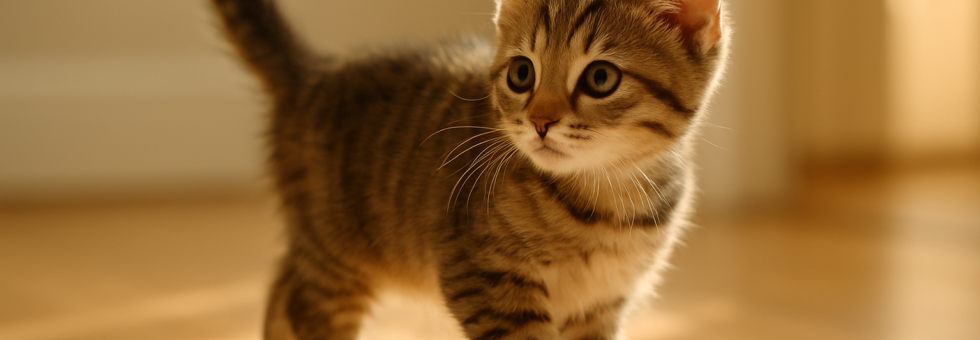
When training does not seem to work
If you have been trying and your kitten still does not respond, go through this checklist.
Check the environment
Is the room too distracting? Is another pet around? Is there loud noise?
Make training easier if needed.
Check the reward
Is the reward exciting enough for your kitten?
If not, upgrade it. A better treat can make a huge difference.
Check your timing
Are you rewarding right away?
If the reward comes too late, your kitten may not connect it to the action.
Check consistency
Are you using the same cue every time?
Mixed signals confuse kittens.
Check your kitten’s health
If your kitten seems unusually tired, withdrawn, or not interested in food or play, talk to your vet. Sometimes behavior problems are connected to health issues.
Recall games you can play at home
Training works even better when it feels like a game.
Ping pong recall
Have two people sit a short distance apart. Take turns calling the kitten and rewarding each successful response.
This can be fun and helps your kitten learn to come from different directions.
Hide and call
Hide partly behind furniture or stand in a nearby doorway and call your kitten. Reward them when they find you.
This builds attention and makes recall more exciting.
Treat toss and call
Toss a small treat a short distance away. After your kitten eats it, call them back to you and reward again.
This gives you easy repeat practice.
How to keep your kitten from learning bad habits while training recall
Recall training helps, but you also need to manage the environment.
If you are worried about biting, scratching, crying, or other habits, try these basics:
- Give your kitten daily play sessions
- Provide scratching posts near furniture
- Keep a predictable feeding schedule
- Offer safe toys for chewing and chasing
- Make sure your kitten gets rest
- Avoid rough hand play
A kitten with enough play, sleep, and routine is easier to train.
FAQ about how to train a kitten to come when called
1. How young can you start training a kitten to come when called?
You can start very early, as soon as your kitten is comfortable in your home and willing to eat and play. Keep training soft, short, and simple.
2. How many times a day should you practice recall?
A few short sessions each day work best. Even 2 to 5 minutes at a time is enough if you stay consistent.
3. What if your kitten only comes for food?
That is normal at first. Start with food, then slowly add play, praise, and other rewards so your kitten learns that coming to you is valuable in many situations.
4. Should you train before or after meals?
Training before meals can work very well because your kitten is more interested in food. Just do not train when your kitten is overly hungry and frustrated.
5. Why does your kitten come sometimes but not always?
Kittens are easily distracted, and they are still learning. Different rooms, sounds, moods, and energy levels can all affect recall. This is why practice in many situations matters.
6. Is it okay to pick up your kitten after they come?
Only if your kitten is comfortable being picked up. If coming to you always leads to being held when they do not like it, they may stop responding.
7. What if your kitten runs away when you call?
Go back to easier training. Use a quieter space, better rewards, and a more cheerful tone. Make sure your cue has not become linked with something unpleasant.
8. Can older kittens still learn recall?
Yes, absolutely. Younger kittens may learn faster, but older kittens can still do very well with patient and consistent training.
9. Should everyone in your home use the same cue?
Yes. It helps a lot if everyone uses the same word and the same style so your kitten does not get confused.
10. What if your kitten never seems interested in treats?
Try different food rewards, train before meals, or use play instead. Some kittens care more about movement and toys than snacks.
Conclusion
If you want to know how to train a kitten to come when called, the biggest secret is simple. Make coming to you feel safe, rewarding, and worth it.
Your kitten is not trying to make your life hard. They are learning how your home works, what your voice means, and whether they can trust the signals you give. With short sessions, tasty rewards, and lots of patience, you can teach this skill step by step.
Start small. Practice in quiet spaces. Reward quickly. Keep your tone warm. Do not punish mistakes. And remember that little progress still counts.
Over time, your kitten will begin to understand that when you call, good things happen. That is the kind of lesson that can help with safety, confidence, and a calmer daily routine for both of you.
If today feels a bit chaotic, that is okay. You and your kitten are learning together, and that is exactly how good training begins.