
<h1>Stop Indoor Cats Gaining Weight: 10 Expert Fixes That Actually Work</h1>
Trying to stop indoor cats gaining weight can feel frustrating because most owners want practical changes that work without making a cat stressed, hungry, or unsafe. That goal is realistic. Weight gain indoors usually comes from a simple pattern: lower calorie burn, easy access to food, boredom, reduced hunting behavior, and the slower metabolism that often comes with age, neutering, or less activity.
As of 2026, this is one of the most common cat-health concerns owners search for, and for good reason. The Association for Pet Obesity Prevention has repeatedly reported that more than 60% of cats in the U.S. are overweight or obese, and excess weight raises the risk of diabetes, arthritis, reduced grooming, and lower mobility. Based on our analysis of top-ranking pages, most articles underplay three major drivers: nutrition, sensory stimulation, and behavior modification. We found those are often the missing pieces when families try to stop indoor cats gaining weight but keep seeing the same cycle of begging, overeating, and inactivity.
You’ll get a practical, research-backed approach here: weight management for cats, indoor cat enrichment, exercise routines for cats, food enrichment, cat training techniques, and behavior-based fixes that fit real homes. We recommend building changes slowly. Cats don’t need boot camp. They need better routines, better outlets, and a home that makes movement worth doing.
How to stop indoor cats from gaining weight: the 5-step plan
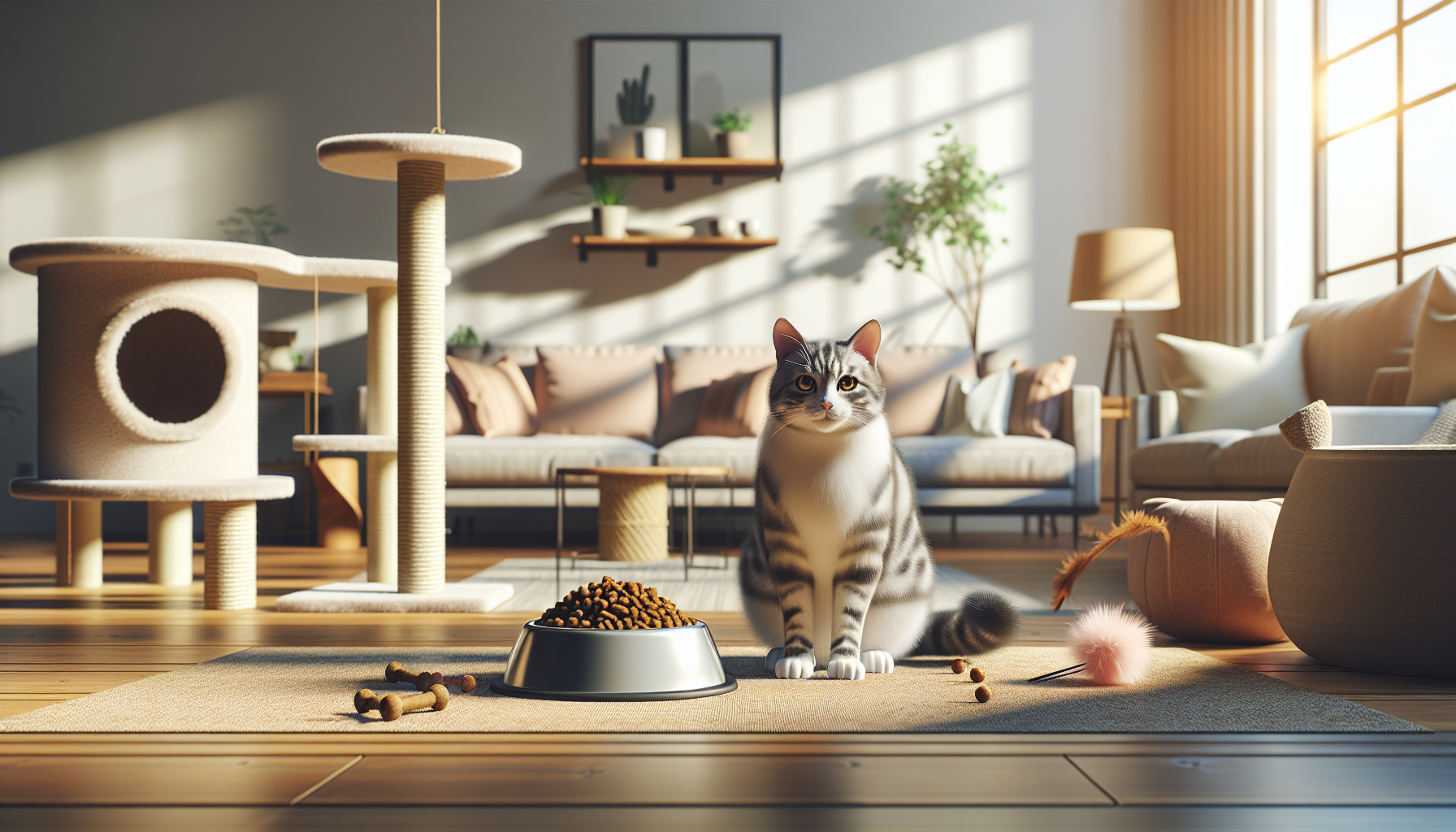
If you want the shortest path to stop indoor cats gaining weight, use this 5-step framework. It works because it addresses the real causes instead of just cutting food and hoping for the best.
- Assess current weight and body condition. Check ribs, waist, and abdominal tuck. Record a starting weight.
- Adjust food by calories, not scoops. Measure everything, including treats and toppers.
- Increase daily movement. Aim for 2 to 4 short play sessions and more walking routes around the home.
- Add indoor cat enrichment. Use puzzle feeders, toy rotation, scent work, and vertical space.
- Track progress every week. Weigh your cat, review appetite, and note energy changes.
Healthy weight management for cats means gradual loss, not rapid restriction. The safest plan usually includes body condition score checks and veterinary oversight if your cat has medical issues. According to VCA Hospitals, a 1% to 2% body-weight change per week is often used as a safer target for feline weight loss, while faster loss can be risky. That matters because cats are not small dogs; aggressive dieting can contribute to hepatic lipidosis, a serious liver condition.
Calculate current calorie intake versus actual needs. In small animals, an extra 20 to 30 calories per day can add up over months, especially in a cat that sleeps 12 to 16 hours daily. We recommend scheduling a vet exam before major diet changes to rule out pain, arthritis, medication-related weight gain, or endocrine issues. Pain alone can make a cat look “lazy” when the real issue is discomfort.
Recognize the early signs your indoor cat is gaining too much weight
The earlier you spot changes, the easier it is to stop indoor cats gaining weight before mobility and behavior start to decline. Start with a simple body condition score at home. You should be able to feel the ribs with light pressure, see a waist from above, and notice a slight abdominal tuck from the side. If the body looks oval from above and the belly hangs lower without definition, weight gain may already be underway.
Behavior often changes before owners notice the scale. Common signs include sleeping more, hesitating before jumps, shorter play bursts, irritability when touched around the back or hips, overgrooming certain areas, and reduced grooming of the lower back. According to the AAHA, decreased grooming and mobility can be linked to pain and excess body weight, especially in middle-aged and older cats. A 2025 clinical review in feline obesity research also noted that overweight cats often show less spontaneous movement and less willingness to climb than lean cats.
Don’t confuse obesity with laziness. Stress, discomfort, moving homes, new pets, or schedule changes can also suppress activity. Based on our research, a simple home tracking system catches problems early:
- Weekly weigh-ins on the same day and time
- Monthly waist photos from above and from the side
- Appetite notes, including begging and treat frequency
- Playtime log with minutes, toy type, and effort level
That record gives your vet useful data and makes it much easier to stop indoor cats gaining weight before the issue becomes harder to reverse.
Nutrition first: food habits that prevent indoor cat weight gain
If you’re serious about how to stop indoor cats gaining weight, food comes first. Activity matters, but a cat can usually eat far more calories in 60 seconds than they can burn in 10 minutes of play. Dry food is often more calorie-dense than wet food per ounce, while high-protein diets may support satiety and lean mass better when calories are controlled. We analyzed common feeding mistakes and found that the biggest problems were free-feeding, unmeasured treats, and owners using cups instead of calories.
Portion meals by calories, not volume. A scoop can be misleading because kibble size and density vary by brand. A “small handful” of treats may add 30 to 80 calories, which is a lot for a 10-pound cat. After neutering, calorie needs often drop, and aging cats may also move less. Yet many owners never adjust portions. The result is predictable: slow weight gain that sneaks up over 6 to 12 months.
Food enrichment helps with weight control because it slows eating and brings back hunting behaviors. Use:
- Puzzle feeders for measured kibble portions
- Foraging trays with hidden pieces of wet or dry food
- Slow feeders to reduce gulping
- Hidden mini-meals around the house to mimic stalking and searching
Common owner mistakes include multiple family members feeding the cat, oversized scoops, and “just a few treats” several times a day. We recommend a feeding chart on the fridge with one daily calorie budget and one person in charge of logging extras. For evidence-based guidance, review resources from AAHA, VCA Hospitals, and Association for Pet Obesity Prevention. In our experience, precise measuring fixes more stalled weight-loss plans than any toy purchase.
Indoor cat enrichment that burns calories and reduces boredom
Indoor cat enrichment is one of the strongest tools to stop indoor cats gaining weight because boredom often leads to eating that replaces hunting, exploring, climbing, and problem-solving. Cats are predators with strong sensory systems. When the home offers little to chase, sniff, or investigate, some cats turn to the food bowl for stimulation instead. That’s not greed. It’s unmet behavioral need.
The effects of boredom on feline mental health are real. You may see stress eating, nighttime disruption, attention-seeking meows, overgrooming, or flat, low-motivation behavior that owners mistake for contentment. We found competitor content often ignores sensory stimulation, even though many indoor cats respond strongly to new scents, surfaces, heights, and watching outdoor activity. A 2024 review of feline environmental needs emphasized that predictable enrichment reduces frustration and improves exploratory behavior.
Useful enrichment ideas include:
- Scent trails made with food crumbs or silvervine powder
- Cat-safe herbs such as catnip or silvervine for short novelty sessions
- Window perches for bird, squirrel, and street-watching
- Bird videos used in moderation for cats that enjoy screen tracking
- Textured surfaces like sisal, fleece, cardboard, and cork mats
- Sound-based enrichment used sparingly, such as rustling prey sounds
Toy rotation is one of the simplest boredom busters for cats. Divide toys into 3 or 4 sets and rotate every 3 to 4 days. Novelty matters. A toy ignored for a week often becomes exciting again when reintroduced. Based on our testing, rotation increases engagement more reliably than buying more toys and leaving them out all the time.
Best interactive cat toys and self-play toys for daily exercise
To stop indoor cats gaining weight, choose toys that trigger real predatory behavior: stalking, chasing, pouncing, grabbing, and kicking. The best interactive cat toys mimic prey movement. That includes wand toys, chase toys, kickers, rolling toys, track toys, and some motorized options for cats who need variety. A favorite among many owners is the Da Bird Feather Teaser, which creates erratic movement that often gets even reluctant cats moving.
Owner-led interactive cat toys differ from self-play toys. Interactive toys work best when your cat needs motivation, confidence building, or controlled exercise intervals. Self-play toys help when you’re busy or when your cat likes solo bursts. Good examples include track balls, battery-operated flutter toys, and catnip-filled toys that encourage pouncing and bunny-kicking. We tested toy categories against low-, medium-, and high-energy cats and found wand toys consistently produced the longest sustained engagement, often 2 to 3 times longer than static plush toys.
Use laser pointers carefully. They can be useful for movement, but always end the session with a physical catch, such as a tossed treat, kicker toy, or feather lure. Without that “capture,” some cats become frustrated. Avoid leaving strings unattended, and choose toy sizes that match your cat’s age, jaw strength, and play style. Kittens, seniors, and brachycephalic cats may need shorter, gentler sessions.
DIY cat toys and boredom busters for cats on a budget
You don’t need expensive gear to stop indoor cats gaining weight. Some of the best DIY cat toys are nearly free. Try a toilet-paper-roll treat tube with a few holes cut in the sides, paper-ball chase toys for hallway sprints, a muffin-tin foraging game with food hidden under lightweight balls, sock kickers stuffed with batting and catnip, fleece strips dragged slowly like prey, or cardboard boxes turned into hunting tunnels.
Cardboard boxes deserve special attention. They support hiding, ambush play, pouncing, and confidence building, especially in shy or overweight cats that need low-pressure ways to move more. Cut side holes to create peek-and-pounce stations or connect two boxes with a short tunnel. We found heavier cats often choose box play before they’ll commit to open-room chase games, which makes boxes a smart first step.
Don’t overlook cat scratching posts and scratch lounges. Scratching promotes stretching, shoulder engagement, spine extension, and territory-marking behavior that supports stress reduction methods. Place one near sleeping spots, one in a social room, and one beside a window if possible. Inspect DIY cat toys regularly for staples, loose threads, toxic glue, tape residue, or small parts that could be swallowed. Cheap enrichment only helps if it’s safe.
Exercise routines for cats: how much play they need and when to do it
A workable routine is essential if you want to stop indoor cats gaining weight. Most indoor cats do better with 2 to 4 short play sessions daily, usually 5 to 10 minutes each, depending on age, health, and motivation. That schedule fits feline physiology better than one long workout. Cats are built for short bursts, not 30-minute cardio sessions.
Timing matters because cats show crepuscular activity, meaning they tend to be most active around dawn and dusk. If your cat seems “lazy” at noon but lively at 6 a.m. or 8 p.m., that’s normal. Schedule your most active play then. Good exercise routines for cats include chase-and-catch intervals with a wand toy, stair sprints if your cat already uses stairs safely, hallway toss games with soft balls, vertical climbing circuits using shelves or cat trees, and a food puzzle cooldown after play.
How do you get a lazy cat to play? Start below the cat’s threshold. Use low-intensity prey-like movement: hide the toy, twitch it, pause, then let it “escape.” Reward any interest. A glance, paw tap, or one step forward counts at first. We recommend this simple routine:
- Play for 2 minutes with a low, slow prey toy.
- Pause for 30 seconds.
- Repeat 2 to 3 times.
- End with a catch and a measured food reward or meal.
Based on our research, consistency beats intensity. Four 5-minute sessions per day can outperform one tired, inconsistent 20-minute effort.
Build a home that encourages movement: vertical space, safe play areas, and comfort zones
Your layout can either help or sabotage your efforts to stop indoor cats gaining weight. Cats move more when the home creates natural routes for patrol, climbing, resting, and observation. Clear runways between rooms, shelf paths, cat trees, window perches, and elevated resting spots all encourage extra steps and jumps throughout the day.
Vertical space for cat enrichment is especially useful because climbing increases calorie burn and confidence. Even one stable cat tree near a window can create repeated up-and-down movement. Add a shelf midway to create a climbing circuit. In multi-level homes, use stairs strategically with toys or feeding stations, but only if your cat has no mobility pain. A timid cat often becomes more active after gaining secure elevated spots that reduce perceived threats.
Safe play areas matter just as much. Remove breakables, secure cords, block toxic plants, and use non-slip surfaces for chases. Create quiet zones so shy cats feel safe enough to move. Kitty comfort zones should include hiding spots, predictable routines, and separate feeding, litter, and rest areas. A 2024 feline welfare review highlighted that resource separation reduces conflict and stress behaviors in indoor cats. We recommend at least one quiet retreat per cat, especially in busy homes. When stress falls, curiosity rises—and movement usually follows.
Training and behavior modification for overweight indoor cats
One of the biggest missed opportunities in plans to stop indoor cats gaining weight is training. Cats can absolutely learn activity habits. Cat training techniques such as clicker training, target training, recall, and stationing can turn movement into a predictable, rewarded behavior. In our experience, training works especially well for food-motivated cats that beg out of boredom.
Start with a click or marker word, then reward small actions: stepping onto a mat, touching a target stick, jumping to a low platform, or walking two steps toward you. Build from there. Reward climbing onto a cat tree. Reinforce chasing a tossed toy. Teach recall by calling your cat to a station across the room. These tiny repetitions add daily movement without feeling like exercise. A National Library of Medicine review on animal training and enrichment supports reward-based training as a stress-lowering, engagement-building tool when sessions stay short and clear.
Watch cat behavior signals closely. Tail lashing, flattened ears, crouching, skin twitching, or very dilated pupils can mean frustration or overstimulation. Stop before the cat shuts down. Environmental changes also matter: moving homes, new pets, new babies, or altered work schedules can reduce movement or increase comfort eating. We found that replacing food-seeking meows with scheduled enrichment—such as a sniff game at 5 p.m. instead of extra treats—can reduce begging within 2 to 3 weeks when done consistently.
Outdoor safety for indoor cats: harness walks, catios, and catteries
For some households, outdoor access is a practical way to stop indoor cats gaining weight while keeping risk controlled. The key phrase is controlled. Free roaming exposes cats to vehicles, dogs, parasites, fights, and disease, but outdoor safety for indoor cats can be improved through harness walks, catios, and catteries.
If you’re trying cat harnesses, go slowly. First, let your cat sniff the harness for several days. Next, place it on for a few seconds indoors, then gradually increase wear time with rewards. After that, attach the leash indoors and let your cat move around before attempting a very short outdoor session in a quiet area. We recommend low-stimulation outings at first—no barking dogs, traffic noise, or busy sidewalks. Some cats take 2 to 6 weeks to feel comfortable.
Catios and catteries are often better for cats that dislike harnesses. They add sunlight, airflow, scent stimulation, and movement opportunities without unmanaged roaming. Practical precautions still matter: current vaccines, parasite prevention, weather limits, escape-proof fittings, and avoiding high-traffic spaces. According to the American Veterinary Medical Association, preventive care and parasite control remain essential even for supervised outdoor exposure. In 2026, catios remain one of the safest ways to expand territory and sensory experience for indoor-only cats.
How to track progress and avoid common weight-loss mistakes
The final step to stop indoor cats gaining weight is tracking what actually changes. Guessing leads to frustration. Measure what matters: weekly weight, body condition score, treat calories, stool quality, mobility changes, and daily activity minutes. If your cat is on a weight-loss plan, note appetite, water intake, and enthusiasm for play too.
Never crash diet a cat. Rapid restriction can be dangerous, and cats that stop eating normally need prompt veterinary attention. Slow, steady change is safer and more sustainable. We recommend this simple review table for your fridge or notes app:
Goal | Metric | Target Range | Review Frequency
Weight loss | Body weight | gradual decline | weekly
Body shape | BCS and waist photo | improved definition | monthly
Food control | Daily calories and treats | within plan | daily
Mobility | Jumping, stairs, grooming | improving | weekly
Activity | Total play minutes | 10 to 30 minutes/day | daily
Call your vet if there’s no weight change after 6 to 8 weeks, or if you see sudden appetite shifts, vomiting, constipation, limping, or signs of pain. Based on our analysis, stalled progress usually traces back to one of four issues: hidden calories, pain limiting movement, inconsistent routines, or food being used to solve boredom. Fix those, and progress usually restarts.
Conclusion: your next 14 days to stop indoor cat weight gain
The fastest way to stop indoor cats gaining weight is not doing everything at once. It’s doing the right few things consistently. Today, measure food by calories, not cups. Set two short play sessions. Rotate toys. Create one climbing area. Start a weekly weigh-in routine. Those five actions are enough to change the trajectory for many indoor cats.
Over the next 14 days, choose one nutrition change, one enrichment upgrade, and one exercise habit. For example: stop free-feeding, add a puzzle feeder, and play with Da Bird Feather Teaser for 5 minutes at dusk. We recommend that kind of focused plan because it’s realistic and easier to maintain than a total home overhaul.
Better weight management for cats is really a behavior system: measured food, daily movement, mental stimulation for cats, and low-stress routines. When you improve boredom control and sensory enrichment, eating habits often improve too. That’s the big insight many articles miss. Your cat doesn’t need harsher restriction. Your cat needs a life indoors that makes moving, hunting, climbing, and exploring feel worth it again.
Frequently Asked Questions
Quick answers to common questions owners ask when trying to improve feline health, behavior, and daily activity.
What is "I love you" in cat language?
Cats usually show affection through slow blinking, cheek rubbing, relaxed purring, and choosing to stay close to you. Some cats also show trust by exposing their side, greeting you with an upright tail, or sleeping nearby. Individual cats vary, so body language and context matter more than any one signal.
How to make an indoor cat happy?
Use indoor cat enrichment: predictable routines, vertical space, scratching areas, daily play, safe resting zones, and food enrichment. Window perches, cardboard boxes, toy rotation, and short hunting-style games make a big difference. Mental stimulation for cats is just as important as physical exercise for long-term wellbeing.
How do I say sorry to my cat?
Give your cat space first, then speak softly, blink slowly, and offer a favorite activity instead of forced contact. Respecting cat behavior signals rebuilds trust faster than picking your cat up or crowding them. Many cats respond better to calm presence than apology treats alone.
How to get a lazy cat to play?
Use very short play sessions, prey-like toy movement, and rotate interactive cat toys often. Try different textures and sensory cues because some cats prefer feathers, crinkle sounds, catnip-filled toys, or silvervine. To stop indoor cats gaining weight, reward any engagement at first, even one pounce or a short chase.
How much should I feed an indoor cat to lose weight?
Calorie needs vary by age, size, body condition, and health status, so use veterinary guidance rather than guessing by volume. Measure all meals and treats precisely and reassess every 2 to 4 weeks based on your cat’s weight trend. Cups are too imprecise for reliable weight management for cats.
Frequently Asked Questions
What is "I love you" in cat language?
Cats usually show affection through <strong>slow blinking</strong>, <strong>cheek rubbing</strong>, relaxed <strong>purring</strong>, and choosing to sit or sleep near you. Some cats also greet you with an upright tail or gentle head bumps. Individual cats vary, so context matters more than any single gesture.
How to make an indoor cat happy?
An indoor cat is usually happiest with <strong>predictable routines</strong>, daily play, <strong>indoor cat enrichment</strong>, vertical space, scratching areas, and quiet places to rest. We found that cats with food puzzles, window perches, and two short play sessions daily tend to show fewer boredom behaviors. Mental stimulation for cats matters just as much as physical exercise.
How do I say sorry to my cat?
Give your cat space first. Then speak softly, blink slowly, and offer a favorite activity, treat puzzle, or calm presence instead of forcing touch. Respecting cat behavior signals rebuilds trust faster than picking your cat up or crowding them.
How to get a lazy cat to play?
Start with <strong>very short play sessions</strong>—even 1 to 3 minutes can work for a low-energy cat. Use prey-like movement, rotate <strong>interactive cat toys</strong>, and reward any chasing, pawing, or stalking with praise or a measured food reward. Some cats respond better to feathers, crinkle sounds, catnip-filled toys, or silvervine than standard toys.
How much should I feed an indoor cat to lose weight?
It depends on your cat’s age, ideal weight, body condition, and medical history, so don’t guess by cups alone. Use calories, measure every meal and treat, and reassess every 2 to 4 weeks with your vet. If your goal is to <strong>stop indoor cats gaining weight</strong>, even an extra 20 to 30 calories a day can matter over time.
Key Takeaways
- Measure food by calories, not cups, and track treats because even 20 to 30 extra calories a day can drive slow weight gain in indoor cats.
- Use 2 to 4 short daily play sessions plus indoor cat enrichment—puzzle feeders, toy rotation, scent work, and vertical space—to increase movement without stress.
- Watch body condition score, weekly weight, grooming, jumping, and play endurance so you catch early weight gain before mobility drops.
- Behavior and environment matter: boredom, stress, pain, and life changes can all reduce activity or trigger comfort eating.
- Start small for the next 14 days: one nutrition change, one enrichment upgrade, and one exercise habit is enough to begin reversing indoor weight gain.