
Have you ever looked at your indoor cat and wondered, “Why do you seem upset when you have food, safety, and a cozy home?”
If you have, you are not alone. Many cat owners feel confused when their indoor cat starts hiding, scratching furniture, meowing at night, biting, or acting restless for no clear reason. You may be doing your best, yet your cat still seems stressed. That can make you feel worried, tired, and even a little helpless.
The good news is this: you can learn how to reduce stress in indoor cats naturally. Small changes in your home, daily routine, and play time can make a huge difference. Indoor cats need more than food and a litter box. They also need comfort, fun, control, and a space that feels safe.
In this guide, you will learn simple and natural ways to help your indoor cat feel calmer, happier, and more secure. These tips are made for real cat owners who want a peaceful home and a healthy, well-behaved cat.
Why indoor cats get stressed
Indoor life keeps your cat safe from cars, fights, disease, and other dangers outside. But indoor living can also bring stress if your cat does not have enough ways to use natural instincts.
Your cat is born to hunt, climb, scratch, hide, watch, and patrol. If your home does not let your cat do these things in safe ways, stress can build up. That stress may show up in behaviors that are hard for you to live with.
Common causes of stress in indoor cats
Here are some of the most common reasons your cat may feel stressed indoors:
| Cause | What it may look like |
|---|---|
| Boredom | Meowing, zoomies, biting, knocking things over |
| Lack of routine | Anxiety, clinginess, hiding |
| Not enough play | Aggression, nighttime activity, restlessness |
| No safe hiding spots | Fear, tension, staying under furniture |
| Litter box problems | Avoiding the box, accidents, nervous behavior |
| Loud noises | Hiding, jumping, shaking, refusing to eat |
| Changes at home | Stress after a move, new baby, guests, new pet |
| Too little space | Tension, territorial behavior, fighting in multi-cat homes |
When you understand the cause, it becomes easier to help your cat in a gentle and natural way.
Signs your indoor cat may be stressed
Cats often hide stress well. Your cat may not cry like a child, but the signs are there if you know what to look for.
Behavior changes to watch for
You may notice:
- Hiding more than usual
- Scratching furniture more often
- Biting during play or petting
- Crying at night
- Grooming too much
- Eating less or more
- Missing the litter box
- Acting jumpy or easily scared
- Becoming more clingy
- Fighting with other pets
- Sleeping too little or pacing around
Some of these signs can also point to health problems. If your cat suddenly changes behavior, it is smart to talk to your vet first.
Create a calm and safe indoor space
One of the best ways to reduce stress in indoor cats naturally is to make your home feel safe and easy to understand. Cats feel calmer when they know where to eat, sleep, hide, climb, and use the litter box.
Give your cat safe hiding places
When your cat feels overwhelmed, hiding is normal. You do not want to stop that instinct. You want to support it in a healthy way.
Try giving your cat:
- A covered cat bed
- A cardboard box with a soft blanket
- A quiet corner in a closet
- Space under a chair or table
- A cat tunnel
A hiding spot should be quiet, cozy, and away from busy foot traffic. When your cat can retreat safely, stress often drops.
Add vertical space
Cats feel more secure when they can get up high and watch from a safe spot. Vertical space can help shy cats, playful cats, and cats in multi-pet homes.
Good options include:
- Cat trees
- Wall shelves made for cats
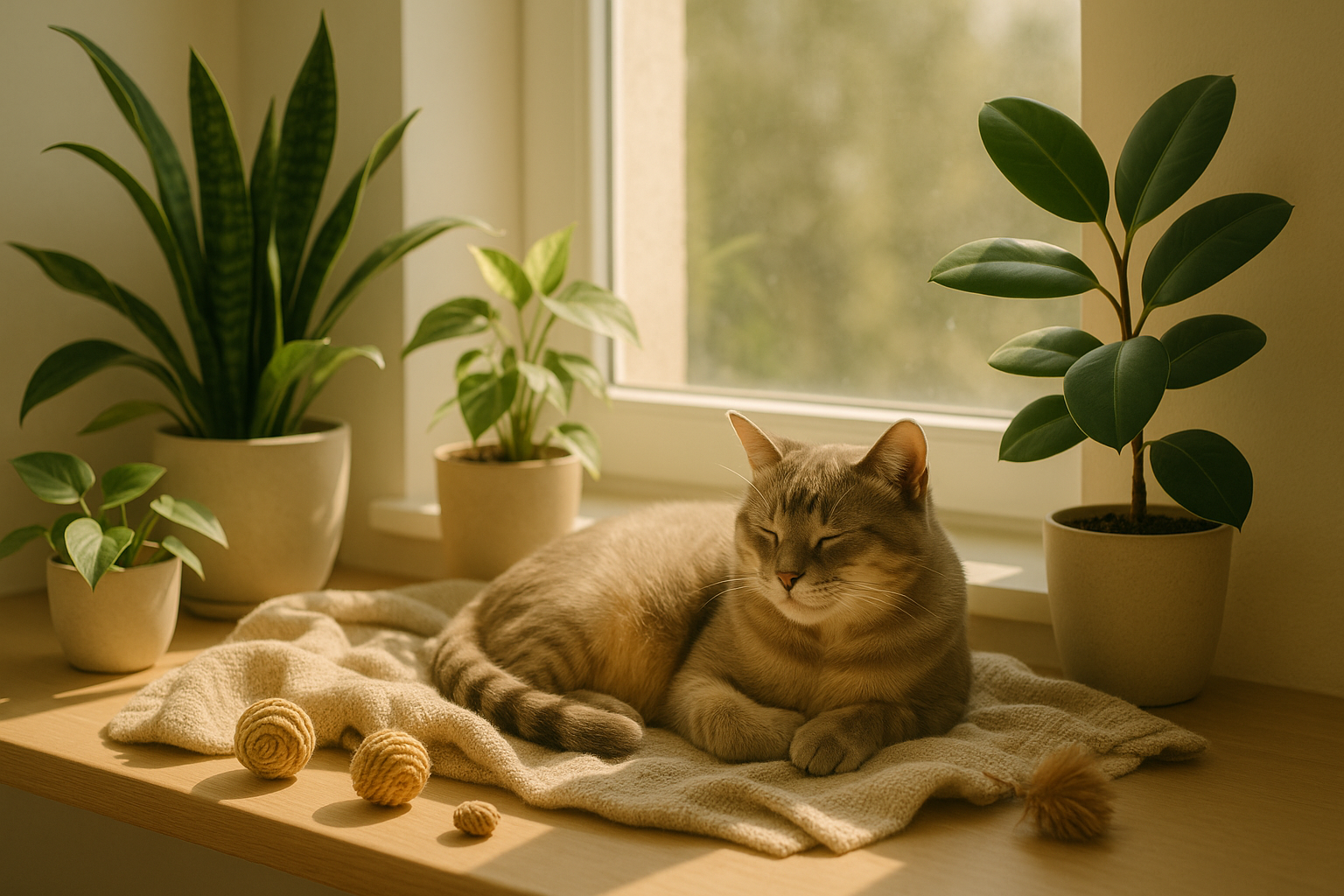
- Window perches
- The top of sturdy furniture with a blanket
Being up high gives your cat a sense of control, and control helps lower stress.
Use play to release nervous energy
Play is one of the most powerful natural stress relievers for indoor cats. It helps your cat hunt, chase, pounce, and burn energy in a healthy way.
If your cat gets bored, bites your hands, cries at night, or attacks your feet, more structured play can help a lot.
Best types of play for stressed indoor cats
Cats usually enjoy toys that copy prey movement. Try:
- Wand toys with feathers or string
- Small toy mice
- Balls that roll unpredictably
- Crinkle toys
- Puzzle feeders
- Treat-dispensing toys
Move the toy like prey, not like a machine. Let it hide, dart, and pause. This feels more natural and keeps your cat interested.
How often should you play?
Try two to three short play sessions each day. Even 10 to 15 minutes can help. A play session before bedtime can be especially useful if your cat cries or races around at night.
After play, offer a small meal or treat. This follows the natural hunt, eat, groom, sleep pattern that many cats find calming.
Keep a steady daily routine
Cats like knowing what happens next. A messy schedule can make your cat feel unsure and anxious.
You can lower stress by keeping your cat’s day simple and predictable.
What to keep consistent
Try to keep these things around the same time each day:
- Meals
- Play sessions
- Litter box cleaning
- Bedtime
- Quiet time
You do not need a perfect clock-like routine. But a general pattern helps your cat feel secure.
Improve your cat’s litter box setup
Litter box stress is very common and often missed. If the litter box is dirty, noisy, hard to reach, or shared in a tense home, your cat may feel anxious.
Simple litter box tips
Use this quick guide:
| Litter box tip | Why it helps |
|---|---|
| Scoop daily | Cats like clean spaces |
| Have one box per cat, plus one extra | Reduces competition |
| Place boxes in quiet areas | Helps cats feel safe |
| Avoid putting boxes near food | Cats prefer separation |
| Try unscented litter | Strong smells can bother cats |
| Use a box big enough to turn around in | Improves comfort |
If your cat has accidents, do not punish. Punishment increases fear and stress. Instead, look for the reason and fix the environment.
Help your cat scratch in the right places
Scratching is normal. It is not bad behavior. Your cat scratches to stretch, mark territory, and release stress.
If your cat scratches your couch, your cat may be saying, “I need a better scratching spot.”
How to encourage better scratching habits
Try offering:
- Tall scratching posts for full body stretches
- Flat cardboard scratchers
- Scratching mats near sleeping areas
- Scratchers near furniture your cat already uses
Cats often scratch after waking up or when excited. Put scratchers where your cat naturally wants to scratch, not hidden in a corner.
You can also rub a little catnip on the scratching post if your cat likes catnip.
Make feeding more interesting
A bored cat can become a stressed cat. Indoor cats often eat from a bowl in 30 seconds and then have nothing to do.
You can make meals feel more natural by adding simple food games.
Natural feeding ideas
Try:
- Puzzle feeders
- Treat balls
- Hiding small portions around the room
- Putting kibble in a cardboard egg carton
- Using food toys during solo time
This gives your cat a job to do. It also slows eating and adds mental exercise.
Reduce noise and sudden changes
Cats are sensitive. A loud vacuum, a crowded room, visitors, or furniture moving around can upset your cat more than you expect.
How to make your home feel calmer
You can help by:
- Keeping one quiet room available
- Playing soft background sound if sudden noises are common
- Introducing changes slowly
- Letting guests ignore your cat at first
- Avoiding forced handling
If you are moving, adopting another pet, or having a baby, try to prepare your cat step by step. Sudden changes often cause the most stress.
Use natural calming tools
There are safe and gentle tools that may help your cat relax. These are not magic fixes, but they can support the changes you make at home.
Natural options to consider
You might try:
- Cat pheromone diffusers
- Catnip for some cats
- Silvervine
- Calming beds
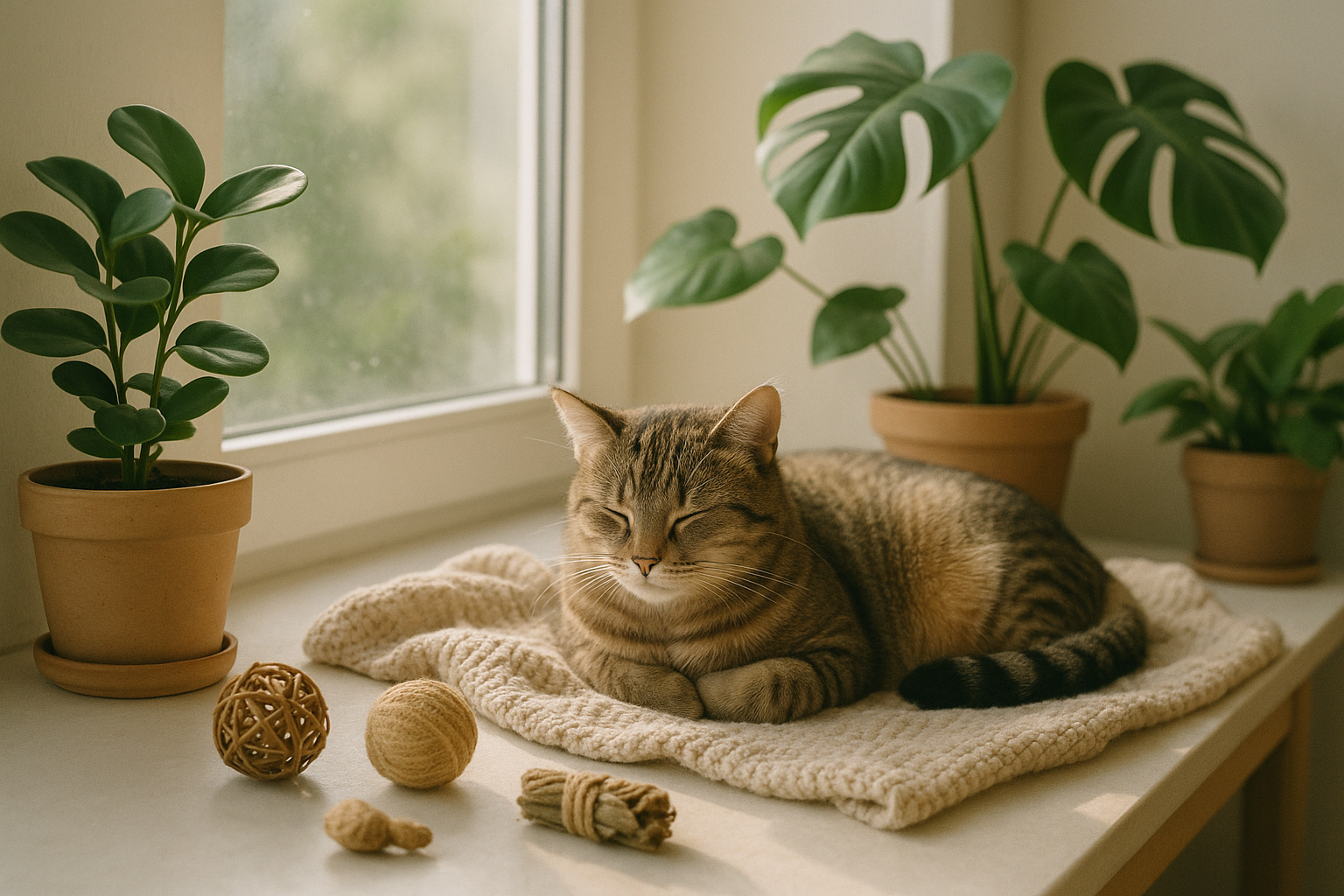
- Soft blankets with familiar smells
- Gentle grooming if your cat enjoys it
Not all cats respond the same way. Some become playful with catnip, while others become calm. Watch your cat’s reaction and use what helps.
Before using herbs or supplements, ask your vet. Some “natural” products are not safe for every cat.
Give your cat attention in the right way
Sometimes stress gets worse because people try to help in ways cats do not enjoy. Too much handling, chasing, or forced cuddling can make a nervous cat feel trapped.
Let your cat choose contact
A calmer approach is better. You can:
- Sit quietly nearby
- Offer your hand and let your cat come first
- Pet favorite spots like the cheeks or head
- Stop before your cat gets irritated
- Reward calm behavior with treats or praise
When your cat learns that you respect boundaries, trust grows. Trust helps stress go down.
Support better sleep and less nighttime crying
Nighttime crying is a big problem for many indoor cat owners. If your cat wakes you up often, both of you can end up stressed.
How to calm your cat at night
Try this simple evening routine:
- Active play for 10 to 15 minutes
- A small meal after play
- Quiet lights and calm energy
- A warm sleep spot nearby
- No rewarding loud nighttime meowing with instant attention
If your cat cries suddenly and this is new, check with your vet. Some medical issues can cause nighttime vocalizing.
Reduce stress in multi-cat homes
If you have more than one cat, stress can happen even when they are not fighting openly. Staring, blocking hallways, guarding food, or silent tension can make one cat feel unsafe.
Ways to keep peace between cats
Make sure you have enough of everything:
- Multiple litter boxes
- More than one water station
- Separate feeding spots
- Several beds and hiding places
- More than one scratching post
- Vertical spaces in different rooms
Cats do better when they do not have to compete all day. Sharing is not always natural for them.
When stress may be a medical problem
Sometimes behavior that looks like stress is really pain, illness, or discomfort. Your cat may act grumpy, hide, or stop using the litter box because something feels wrong physically.
Talk to your vet if you notice:
- Sudden litter box changes
- Fast weight loss
- Not eating
- Overgrooming to bald spots
- Aggression that is new
- Crying that seems unusual
- Vomiting or diarrhea
- Very low energy
Natural care works best when you first rule out a health issue.
FAQ about how to reduce stress in indoor cats naturally
1. What is the fastest natural way to calm a stressed indoor cat?
The fastest natural way is usually to give your cat a quiet safe space, reduce noise, and offer gentle play later when your cat feels ready. Do not force contact. Let your cat settle first.
2. Can boredom cause stress in indoor cats?
Yes. Boredom is a major cause of stress in indoor cats. Without play, climbing, scratching, and mental activity, your cat may become frustrated and act out.
3. Why does your indoor cat cry at night?
Your cat may cry at night because of boredom, too much daytime sleep, hunger, stress, or a medical issue. A bedtime play session followed by food often helps.
4. Do indoor cats need cat trees?
Cat trees are very helpful because they give your cat a place to climb, scratch, rest, and feel safe. Vertical space can lower stress a lot.
5. Can catnip help with stress?
For some cats, yes. Catnip can help your cat feel playful or relaxed. But not all cats respond to it, and some get too excited, so watch how your cat reacts.
6. How many litter boxes should you have?
A good rule is one litter box per cat, plus one extra. This helps reduce tension and gives each cat more choice.
7. Why does your cat scratch furniture when stressed?
Scratching helps your cat release tension, stretch, and mark territory. If your cat is stressed, scratching may increase. Offer better scratching spots near the furniture.
8. Should you comfort your cat when scared?
Yes, but gently. Stay calm, speak softly, and let your cat choose how close to be. Do not grab or force cuddles if your cat wants space.
9. Can indoor cats get depressed or anxious?
Yes. Cats can feel lonely, anxious, bored, and stressed. Changes in behavior, sleep, appetite, and grooming can be signs your cat needs more support.
10. When should you call a vet about stress?
Call your vet if your cat’s behavior changes suddenly, stops eating, avoids the litter box, becomes aggressive, or seems unwell. It is important to rule out medical problems.
Conclusion
If you want to know how to reduce stress in indoor cats naturally, start with the basics. Give your cat safe spaces, daily play, a steady routine, clean litter boxes, scratching options, and gentle attention. These simple things can change your cat’s whole mood.
You do not need to do everything in one day. Just begin with one or two changes and watch what helps your cat feel safer and calmer. Over time, you will learn what your cat loves most.
A peaceful indoor cat is not just quieter or easier to manage. Your cat is also healthier, more confident, and more connected to you. And that means your home can feel calmer for both of you.