
Are you trying to keep your indoor cat happy, active, and out of trouble without turning your whole home upside down?
If yes, you are not alone. Many indoor cat owners worry about the same things. Your cat cries at night, bites your hands, scratches the couch, races through the house at 3 a.m., or seems bored and grumpy. You love your cat, but you also want a calm home and a pet that feels good inside your space.
Learning how to create indoor playground for cats can make a huge difference. A good indoor cat playground helps your cat climb, jump, scratch, chase, hide, and rest in healthy ways. It can reduce boredom, lower stress, and help stop bad habits before they grow.
The best part is this. You do not need a giant house or a lot of money. You can build a fun, safe play space for your cat by using the walls, corners, windows, shelves, and simple cat items you may already have. You just need to think like a cat. Your cat wants to move, watch, hunt, scratch, hide, and feel safe.
In this guide, you will learn how to build an indoor cat playground step by step. You will also learn how to solve common indoor cat problems and how to make your home feel more exciting for your cat every day.
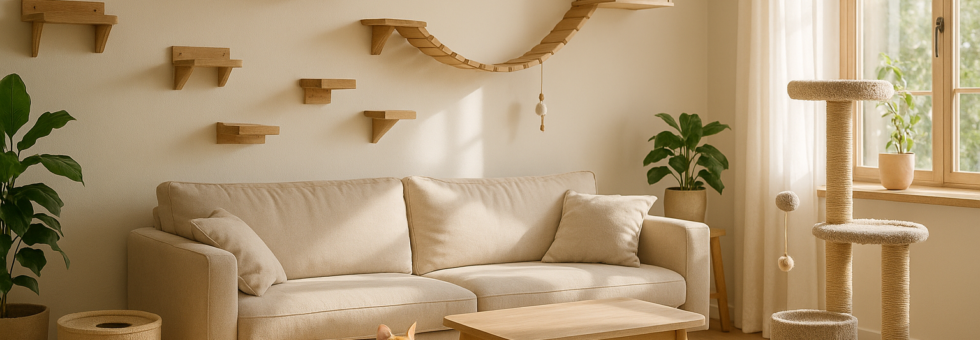
Why Your Indoor Cat Needs a Playground
Indoor cats are safer from cars, disease, and many outside dangers. But indoor life can also be boring if your cat has nothing useful to do. In nature, cats spend a lot of time stalking, chasing, climbing, watching, and resting in safe spots.
When your cat cannot do those things, the energy builds up. That can lead to problem behaviors like:
- Scratching furniture
- Biting hands and feet
- Crying at night
- Zoomies at bad times
- Climbing on counters
- Fighting with other pets
- Overeating from boredom
- Sleeping too much and playing too little
A cat playground gives your cat healthy ways to use both body and brain. It turns your home into a place where your cat can feel busy, safe, and satisfied.
What Cats Really Want in an Indoor Space
Before you start buying toys, it helps to understand what your cat actually needs. Most cats are happiest when they have a mix of these things:
Vertical space
Cats love high places. When your cat sits up high, your cat feels safe and can watch the room. Cat trees, shelves, window perches, and sturdy furniture all help.
Scratching areas
Scratching is normal cat behavior. Your cat scratches to stretch, leave scent, and keep claws in good shape. If you do not give your cat a scratching post, your couch may become the post.
Hiding spots
Cats need safe little places to rest and calm down. Covered beds, boxes, tunnels, and quiet corners can help your cat feel secure.
Hunting play
Cats are natural hunters. They need daily chances to chase, pounce, bat, and grab. Wand toys, balls, kicker toys, and treat puzzles all help.
Window watching
Birds, leaves, people, and sunlight can keep your cat busy for a long time. A good window seat can become one of your cat’s favorite places.
Rest zones
After active play, your cat needs soft, cozy sleeping spots. A balanced indoor cat playground includes active areas and peaceful areas.
How to Create Indoor Playground for Cats Step by Step
You do not need to do everything in one day. Start small and build over time. A useful cat play area is one that fits your home and your cat’s personality.
Step 1: Watch your cat first
Spend a few days noticing how your cat already uses the space.
Ask yourself:
- Does your cat like climbing?
- Does your cat hide under beds?
- Does your cat sit by the window a lot?
- Does your cat scratch carpet, wood, or fabric?
- Does your cat race around at certain times?
These little clues help you choose the right kind of playground. A shy cat may need more hiding spots first. A busy kitten may need more climbing and chasing.
Step 2: Pick one main play zone
Choose one room or one part of a room to be the center of your cat’s activity. This could be:
- A living room corner
- A sunny window area
- A quiet bedroom wall
- A safe hallway section
Your cat can still use the whole home, but having one main cat zone makes setup easier. It also helps your cat learn where play and scratching are allowed.
Step 3: Build up, not just out
This is one of the smartest tricks for indoor cat care. If your floor space is small, use vertical space.
You can add:
- A cat tree
- Wall shelves made for cats
- A window perch
- A sturdy bookshelf with clear levels
- A chair or bench near a climbing post
Make sure each jumping spot is stable and easy to reach. Your cat should be able to move from one level to another without slipping.
Step 4: Add at least two scratching choices
Different cats like different textures and positions. Some prefer tall upright posts. Others like flat cardboard scratchers.
Try a mix of:
- Tall sisal scratching post
- Flat cardboard scratch pad
- Angled scratcher
- Carpet-free scratching surface if your cat scratches rugs too much
Place scratching items near places your cat already scratches. This makes it easier for your cat to switch.
Step 5: Include a hiding place
A good indoor playground should not be noisy and busy all the time. Your cat also needs a place to disappear for a while.
Simple hiding spots can be:
- A cardboard box with a soft towel
- A covered cat bed
- A tunnel
- A blanket draped over a chair
- A cube cat house
This is especially helpful if your cat gets nervous, has visitors over, or lives with children or other pets.
Step 6: Create a hunting area
A lot of indoor cat problems come from built-up hunting energy. Your cat needs to chase and catch things every day.
Set up a basket or bin with toys like:
- Wand toys
- Soft mice
- Ping pong balls
- Kicker toys
- Crinkle toys
- Puzzle feeders
Rotate toys every few days so they feel new again. Many cats get bored when the same toys stay out all the time.
Step 7: Use food as part of play
Instead of putting all meals in one bowl, let your cat work a little for food. This feels natural and keeps your cat busy.
You can use:
- Puzzle feeders
- Treat balls
- Small food hunts around the room
- Treats hidden on shelves or in safe boxes
This is very helpful for cats who eat too fast or seem bored all day.
Step 8: Make a window station
If your cat likes looking outside, make that area more comfortable. Add a perch, shelf, or cushion near the window. If possible, place a cat tree nearby.
You can also make the view more fun by:
- Hanging a bird feeder outside, if safe and allowed
- Letting sunlight reach the perch
- Opening curtains during the day
Window watching gives your cat mental activity without much effort from you.
Step 9: Keep it safe
A playground should be fun, but safety comes first. Check for anything your cat could chew, swallow, knock over, or get trapped in.
Remove or secure:
- Loose cords
- Toxic plants
- Breakable decorations
- Tiny objects
- Plastic strings
- Unstable shelves
- Open windows without screens
If your cat is a kitten, safety matters even more because kittens test everything.
Step 10: Use daily play time to bring it all to life
Even the best cat playground works better when you join in. Ten to fifteen minutes of active play once or twice a day can help your cat feel calm and tired in a good way.
Try to play before meals, especially in the evening. This follows your cat’s natural cycle of hunt, eat, groom, sleep.
Best Indoor Playground Ideas for Cats
You do not need fancy equipment. Some of the best cat play ideas are simple and easy to set up.
Cat tree corner
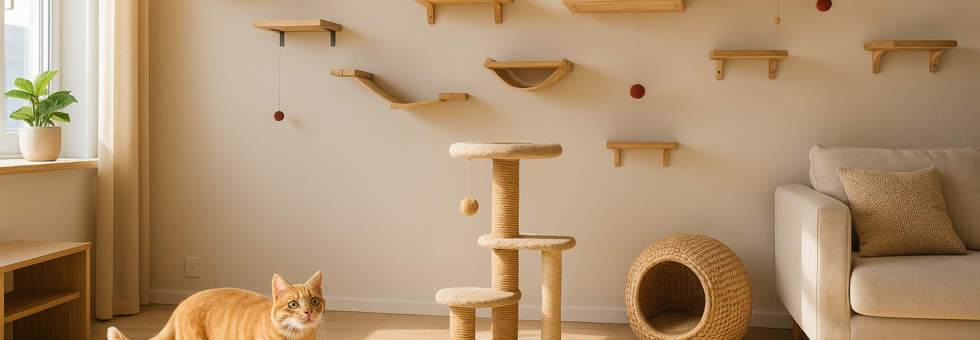
A cat tree can be the heart of your indoor cat playground. Choose one with multiple levels, a hide box, and scratching posts if possible.
This gives your cat climbing, resting, and scratching all in one place.
Wall shelf path
If you want to save floor space, install sturdy cat shelves along a wall. You can make a little path that leads to a perch or bed.
This is great for active cats who love to climb high and watch everything.
Box city
Cats often love boxes more than expensive toys. You can make a fun box area with cut-out doors, tunnels, and peek holes.
Just make sure there are no staples, sharp edges, or loose tape.
Tunnel and chase zone
Tunnels are great for shy cats and playful cats. Add a tunnel to a room with soft balls or toy mice, and your cat can hide and pounce.
Window lounge
Place a padded perch near a sunny window. Add a scratcher and a toy basket nearby, and this can become a quiet daytime cat zone.
Under-table den
Turn a table or corner into a cozy den with a blanket, bed, or cat cube. This helps your cat feel safe while still being close to the family.
Simple Budget Ideas for a Cat Playground
You do not need to spend a lot to make your home fun for your cat. Many low-cost items work very well.
| Need | Budget idea | Why it helps |
|---|---|---|
| Climbing | Sturdy chair near a shelf | Gives height and movement |
| Hiding | Cardboard box with blanket | Creates a safe den |
| Scratching | Cardboard scratch pad | Protects furniture |
| Hunting | Paper balls or toy mice | Supports chase behavior |
| Window fun | Folded towel on sill | Makes bird watching comfy |
| Food play | Muffin tin puzzle | Slows eating and adds brain work |
You can build your cat’s playground little by little. Even one new useful item can improve your cat’s day.
How to Match the Playground to Your Cat’s Personality
Not every cat likes the same things. Your cat’s age, energy, and confidence level matter.
For kittens
Kittens are full of energy and curiosity. They need lots of safe play and clear places to scratch and climb.
Focus on:
- Short climbing areas
- Soft toys
- Frequent interactive play
- Safe chew-free items
- More than one scratching option
Kittens often bite because they want to play. A playground gives them better things to attack than your hands.
For adult cats
Adult cats usually like a balance of active play and long naps. They still need hunting games and climbing, but they may not be as wild as kittens.
Focus on:
- Strong scratching posts
- Window perches
- Puzzle feeders
- Daily wand play
- High resting spots
For senior cats
Older cats still need enrichment, but the setup should be easier on the body.
Focus on:
- Low steps
- Soft beds
- Easy-access perches
- Gentle play toys
- Warm resting spots
If your senior cat has joint pain, avoid high jumps and slippery surfaces.
For shy cats
A shy cat may not use an open cat tree right away. Your cat may feel better with hidden spaces first.
Focus on:
- Covered beds
- Tunnels
- Quiet corners
- Low shelves
- Gentle routine
For bold, busy cats
These cats often get into everything. They need more challenge and movement.
Focus on:
- Tall climbing structures
- Rotating toys
- Food puzzles
- Daily chase games
- Several stations around the home
How an Indoor Playground Helps Solve Common Cat Problems
A good cat playground is not just cute. It can help fix real everyday problems.
Scratching furniture
If your cat scratches the couch, place a scratching post right next to that area. Reward your cat for using it. Cats often scratch where they already like to scratch, so location matters a lot.
Night crying
Some cats cry at night because they sleep all day and have extra energy. More daytime play, climbing, and food puzzles can help your cat feel more settled by bedtime.
Biting and rough play
Kittens and young cats often bite because they are full of hunting energy. Wand toys, kicker toys, tunnels, and regular play sessions can help move that energy in a healthy direction.
Zoomies and wild running
This often means your cat needs more active outlets. A climbing path, tunnel, and evening play session can help your cat burn energy before bedtime.
Counter jumping
Cats love height and views. If you give your cat a better high spot nearby, your cat may be less interested in the counter.
Boredom eating
Food puzzles and treat hunts can make meals take longer and feel more interesting. This helps some cats that snack from boredom.
Where to Place Cat Playground Items in Your Home
Placement matters almost as much as the items themselves. A great toy in the wrong spot may be ignored.
Near family activity
Many cats like being where people are. A cat tree in the living room may get more use than one in a back room.
Near windows
Cats enjoy watching outside. A window perch or tree beside a window is often a big success.
Near problem areas
If your cat scratches one chair every day, add a scratcher there. If your cat climbs one shelf, give a safer climbing spot close by.
In quiet corners
Beds, hideouts, and calm resting spots should go in areas where your cat feels safe.
Mistakes to Avoid When Building a Cat Playground
You do not have to make it perfect, but some mistakes can make the playground less useful.
Buying only toys and no structure
Toys are good, but your cat also needs places to climb, scratch, and rest. A full playground supports all parts of cat behavior.
Putting everything in one tiny spot
Spread some items around the home. This gives your cat reasons to move and investigate.
Forgetting to rotate toys
Cats can lose interest if the same toys stay out all month. Put some away and switch them every few days.
Choosing style over function
A pretty cat item is nice, but if it is too small, unstable, or hard to reach, your cat may ignore it.
Not cleaning the area
Cat beds, scratchers, and toys can collect fur and dust. Clean them often so the area stays pleasant and healthy.
A Sample Indoor Cat Playground Setup
If you want a simple picture in your mind, here is one easy setup for a small home.
| Area | Item | Purpose |
|---|---|---|
| Window corner | Cat tree | Climbing and bird watching |
| Beside couch | Tall scratching post | Safe scratching |
| Under side table | Covered bed | Hiding and resting |
| Hallway | Tunnel | Chasing and hiding |
| Kitchen corner | Puzzle feeder | Mental activity at meals |
| Bedroom wall | Low shelf perch | Quiet high resting spot |
This kind of setup gives your cat different ways to move through the home and stay interested.
How to Keep the Playground Fun Over Time
Cats can get bored if nothing changes. You do not need to buy something new every week. Just make small updates.
Try these ideas:
- Move a toy basket to a new spot
- Switch which toys stay out
- Add treats to different puzzle feeders
- Change the blanket in the hide box
- Put a perch near a different window
- Add catnip to a scratcher sometimes
- Create short daily play routines
Your cat will enjoy the feeling that something interesting might happen every day.
How Much Play Time Your Cat Needs
Every cat is different, but most indoor cats need regular active play. Younger cats usually need more. A good starting point is:
- Kittens: 3 to 5 short play sessions a day
- Adult cats: 2 play sessions a day
- Senior cats: 1 to 2 gentle sessions a day
Even ten minutes can help. What matters most is consistency. Short daily play often works better than one long session once in a while.
Signs Your Cat Likes the Playground
You may wonder if your work is paying off. Here are some good signs:
- Your cat uses the scratching post more
- Your cat naps on the perch or shelf
- Your cat cries less from boredom
- Your cat asks for play in a calmer way
- Your cat watches outside for long periods
- Your cat has fewer wild bursts at night
- Your cat seems more relaxed after play
Some cats use new items right away. Others need days or even weeks. Be patient and let your cat decide at a comfortable speed.
FAQ About How to Create Indoor Playground for Cats
1. Do you need a big house to create an indoor playground for cats?
No, you do not. Even a small apartment can work well. You can use vertical space like cat trees, shelves, and window perches to give your cat more room.
2. What is the most important item in an indoor cat playground?
If you can only start with one thing, a sturdy scratching post or cat tree is a great first choice. It gives your cat a place to stretch, scratch, and often climb too.
3. How do you stop your cat from scratching furniture?
Put scratching posts right next to the furniture your cat scratches. Reward your cat when your cat uses the post. Make the post tall, stable, and easy to reach.
4. Are homemade cat playgrounds safe?
Yes, if you build them carefully. Use sturdy materials, avoid sharp edges, remove strings and loose parts, and make sure shelves or boxes cannot collapse.
5. How often should you change your cat’s toys?
A simple toy rotation every few days or once a week works well. Put some toys away, then bring them back later so they feel new again.
6. Can an indoor playground help with kitten biting?
Yes, it often helps a lot. Kittens bite when they are excited, bored, or trying to play. A playground with toys, tunnels, and climbing spots gives that energy a better outlet.
7. What if your cat ignores the new playground?
Give your cat time. Sprinkle a little catnip on scratchers, place treats on shelves, and play nearby with a wand toy. Some cats need time to trust new things.
8. Should you leave all toys out all the time?
No, not always. Too many toys out at once can become boring. Keep a few favorites available and rotate the rest.
9. Can older cats still enjoy an indoor playground?
Yes, older cats still need activity and comfort. Just make the setup easier to use with low steps, soft beds, and gentle play toys.
10. How do you know if your indoor cat is bored?
Your cat may scratch more, cry, bite, overeat, sleep all day, or act restless. Bored cats often need more climbing, play, and mental activity.
Final Thoughts
Creating a cat playground inside your home is one of the kindest things you can do for an indoor cat. It helps your cat feel less bored, less stressed, and more able to act like a cat. That means more climbing, scratching, watching, chasing, hiding, and resting in healthy ways.
You do not need a perfect setup. You just need a thoughtful one. Start with what your cat already loves. Add a scratcher, a perch, a hiding spot, and a few good toys. Then watch what your cat uses most and build from there.
If your cat has been crying, biting, scratching furniture, or acting wild at night, do not lose hope. Often, your cat is not being bad. Your cat is asking for the right kind of outlet. When you learn how to create indoor playground for cats, you give your pet a better daily life and give yourself a more peaceful home too.
Take it one step at a time. Your cat does not need fancy things. Your cat needs safe, fun, useful spaces made with care. And you are fully able to create that.